


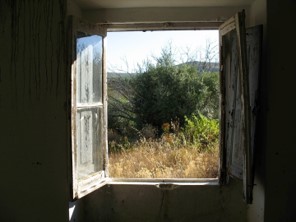



Living on the border. Living from the border
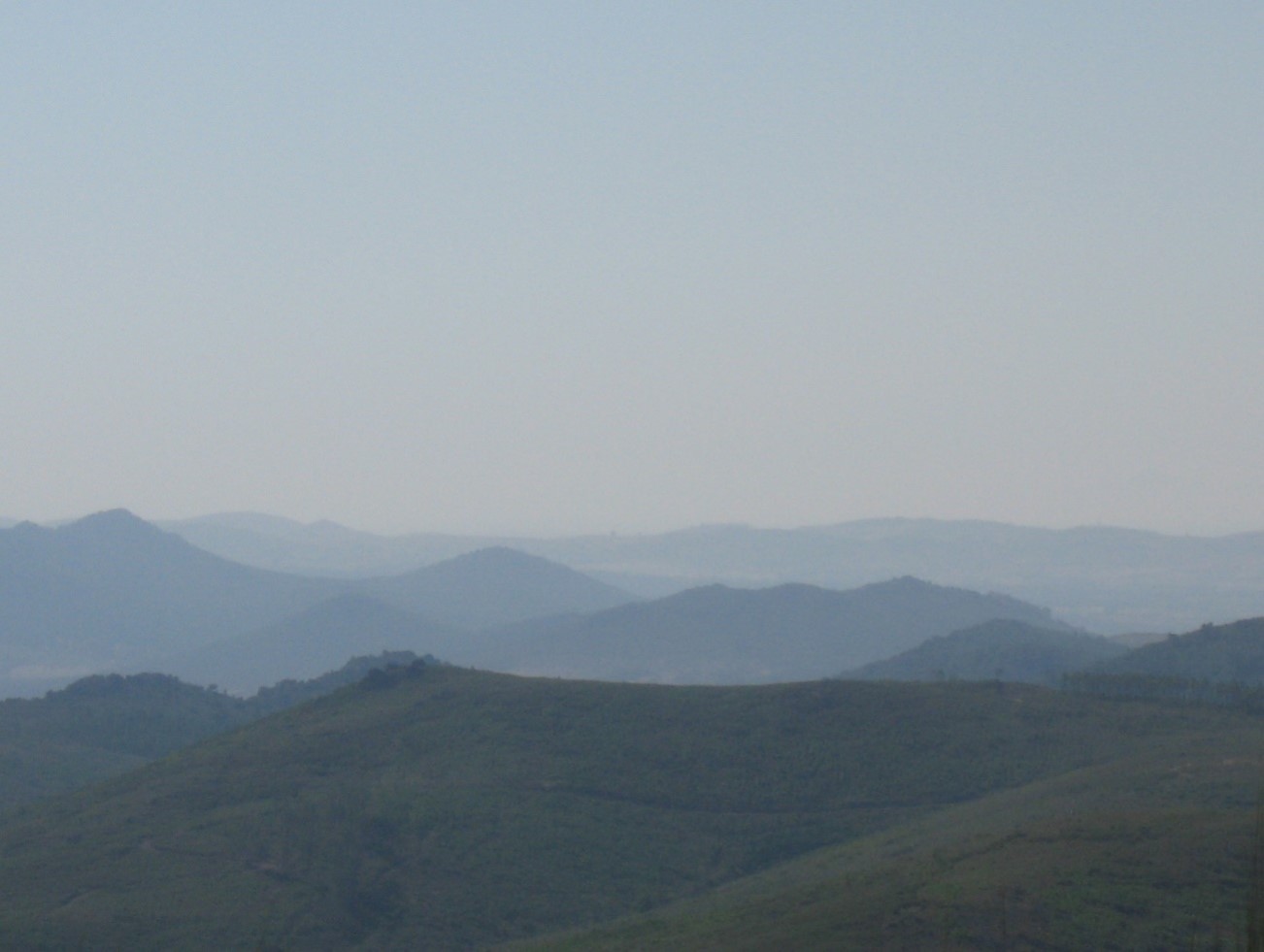
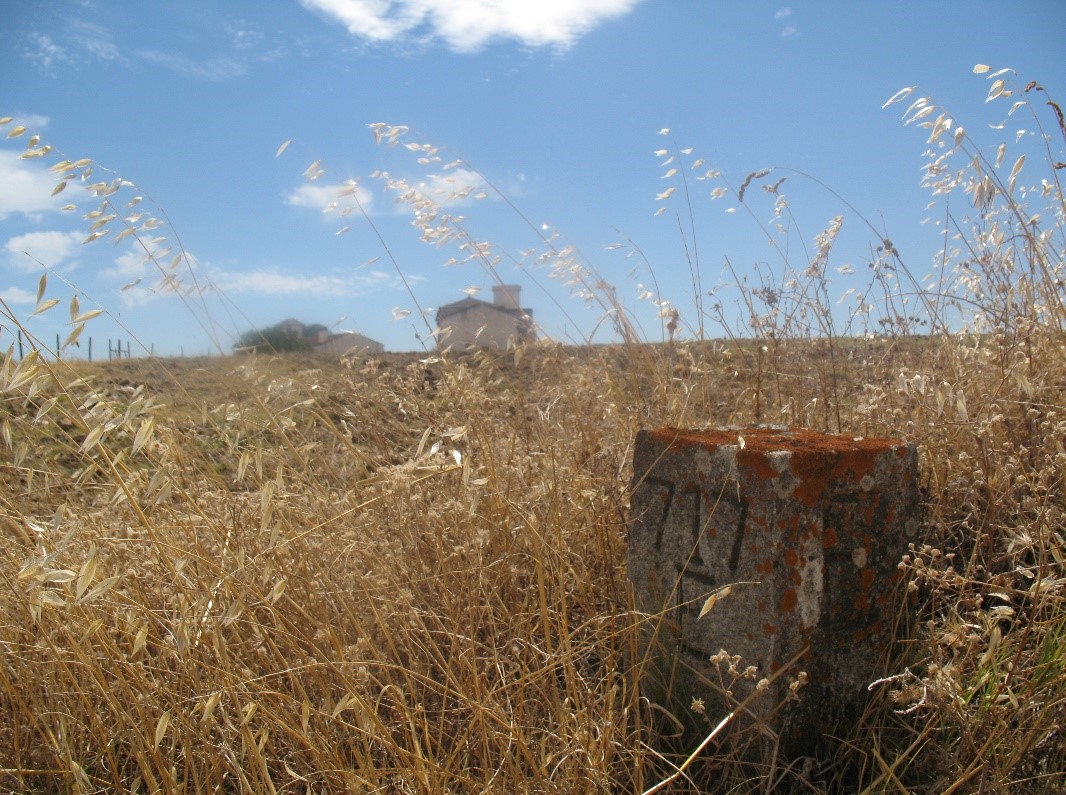
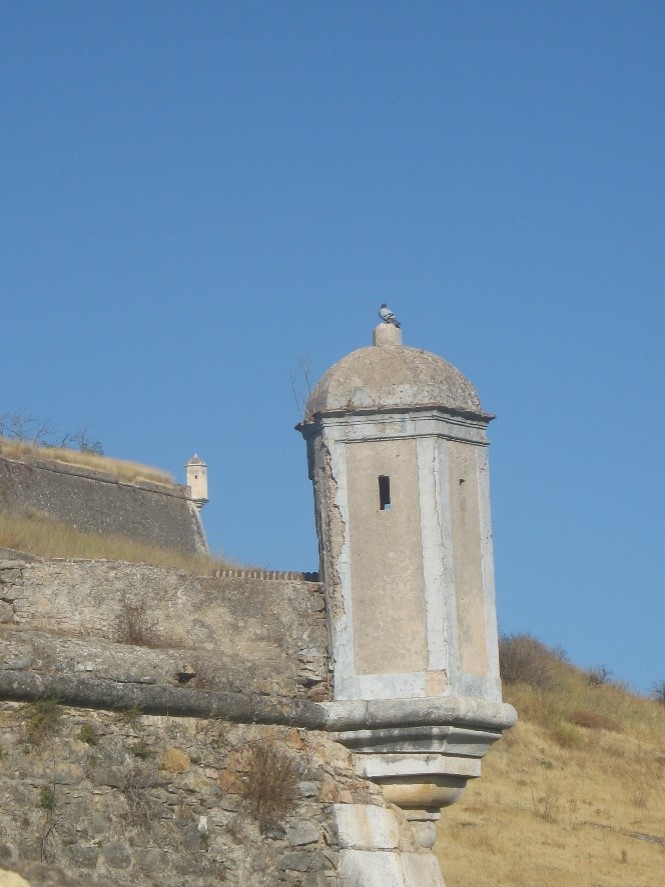
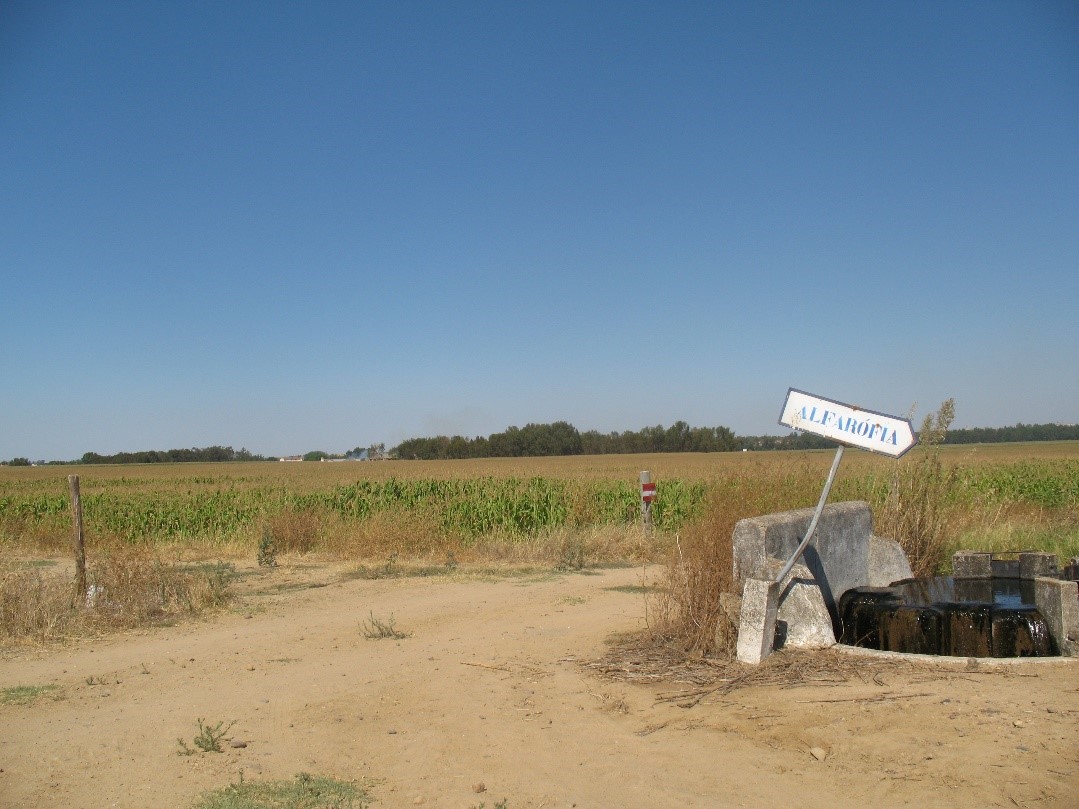
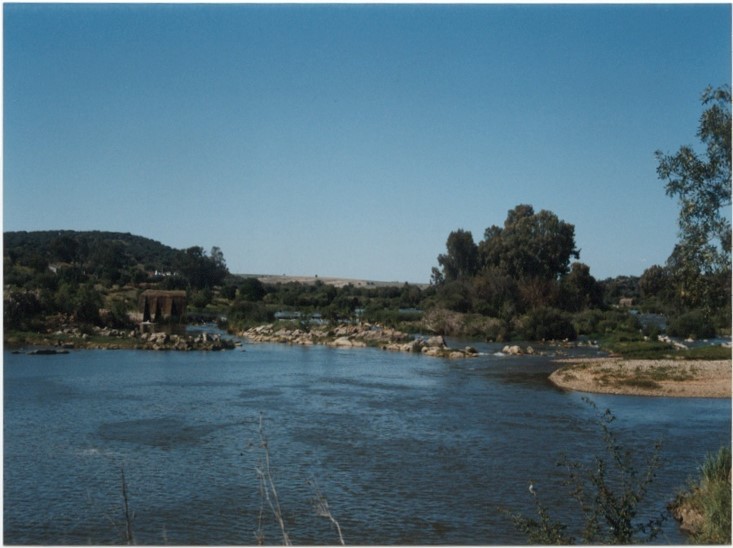
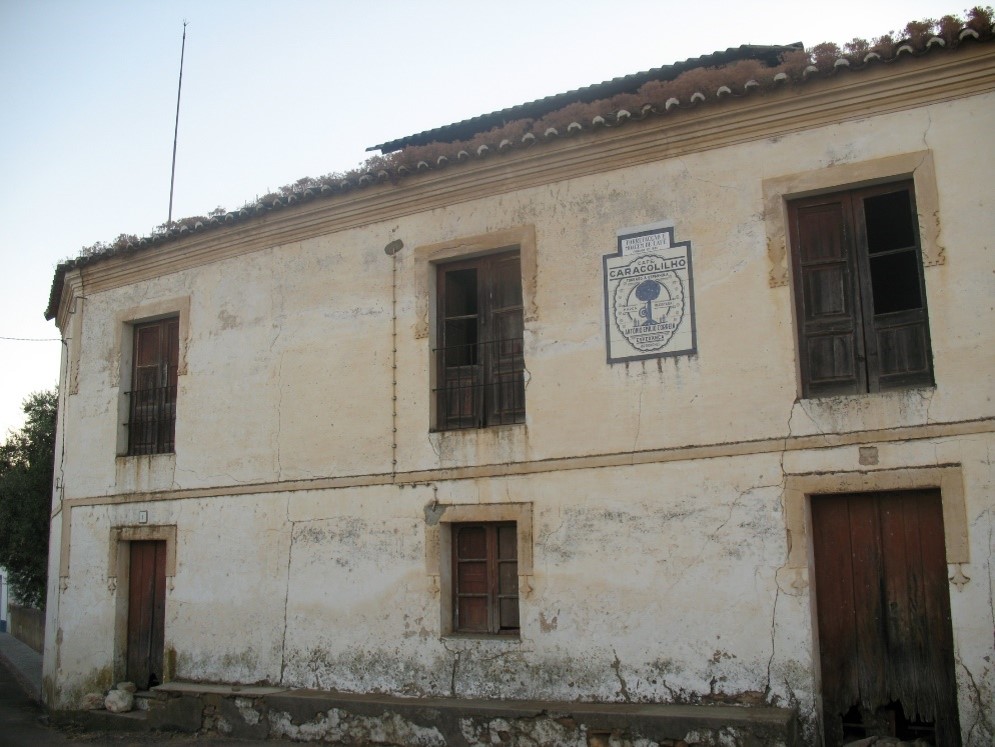
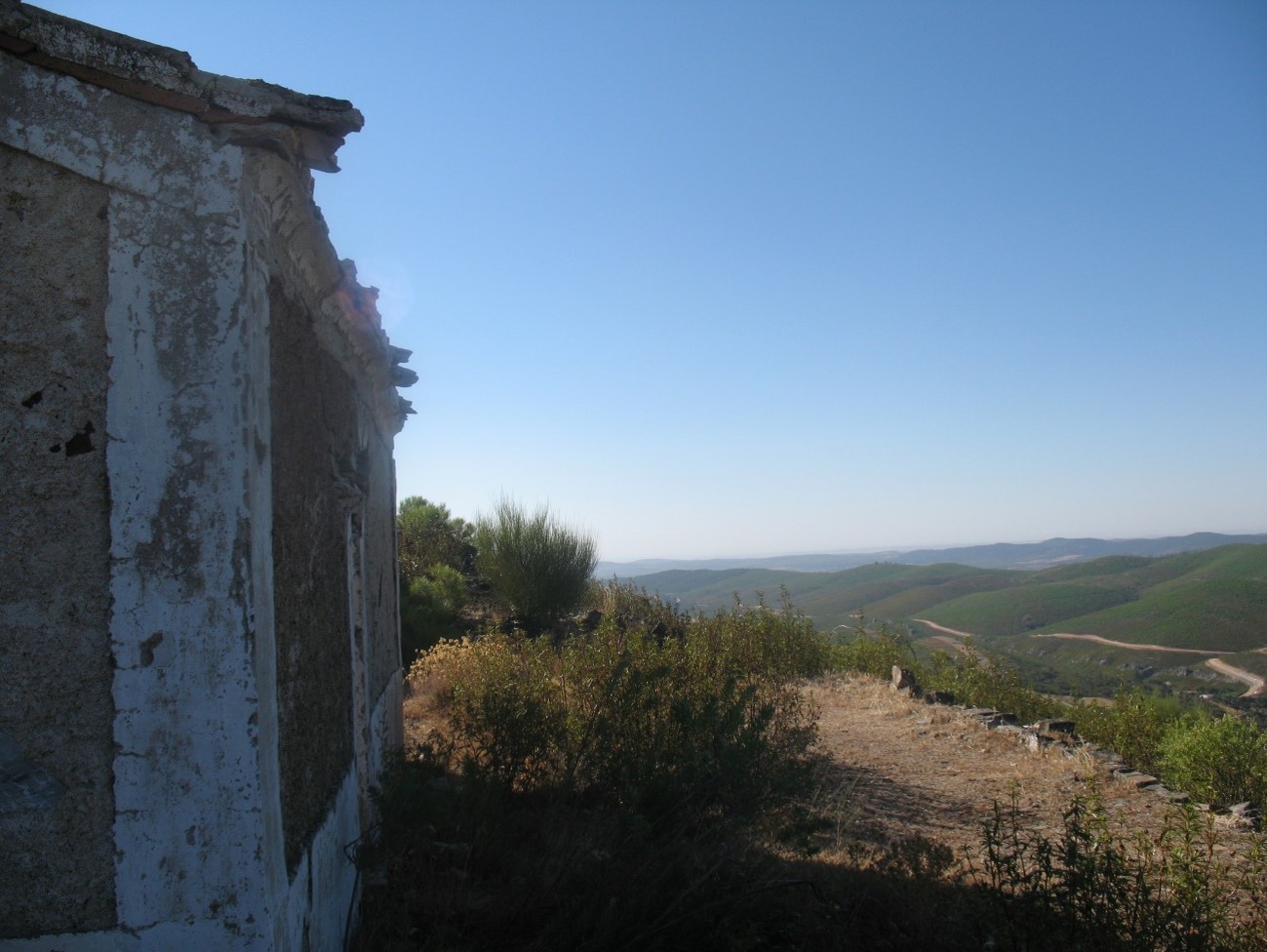
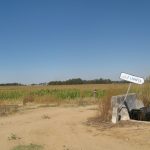
The border between Portugal and Spain, commonly known as «La Raya» (The Line), is over seven centuries old and 1,234 km long, and is the oldest and longest border in the European Community. The border was not defined just by or mainly by the terrain, as it has been and is a political border of a historical and socio-cultural character. The border between Spain and Portugal was established gradually in the Middle Ages, as the Kingdom of Portugal arose and the other peninsular kingdoms were forged. The history of the border registers many conflicts and skirmishes, disputes where politics and the military have played an important part, giving rise to a character which is mistrustful, exclusive and destructive, imposing a belligerent border as the dividing line between kingdoms which were blood brothers and shared a faith, but were in conflict over daily and material aspects.
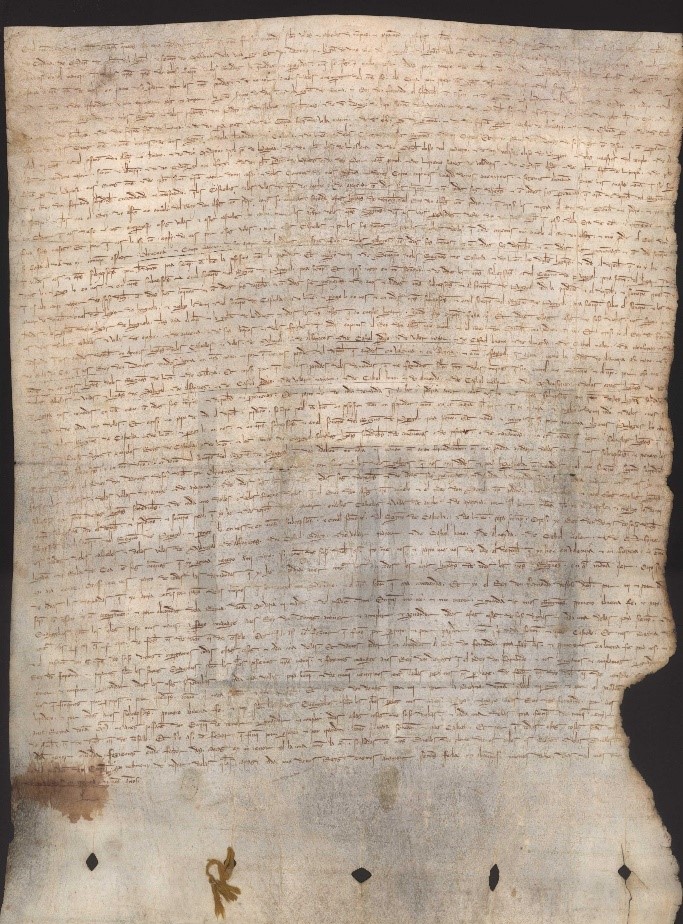
The disputes for the borderlands among the emerging Christian kingdoms on the peninsula took place, with greater or lesser intensity, throughout the Middle and Modern Ages, even reaching the contemporary period. The successive wars and territorial pacts among the Christian kings ended up creating a kind of balance of power so that, towards the end of the 13th century and the signing of the Treaty of Alcañices (1297), the Spanish-Portuguese border already appeared with its current territorial limits; nevertheless, this process extends through time until the present as, despite the signing of successive border treaties between the two states, there are still discrepancies about Spain´s legitimacy over certain stretches of the international border.
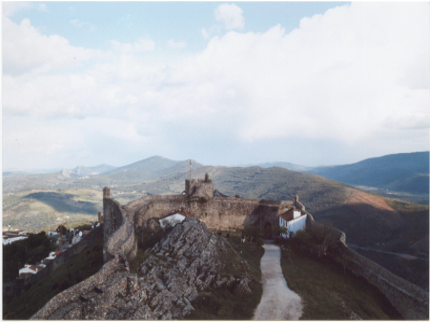
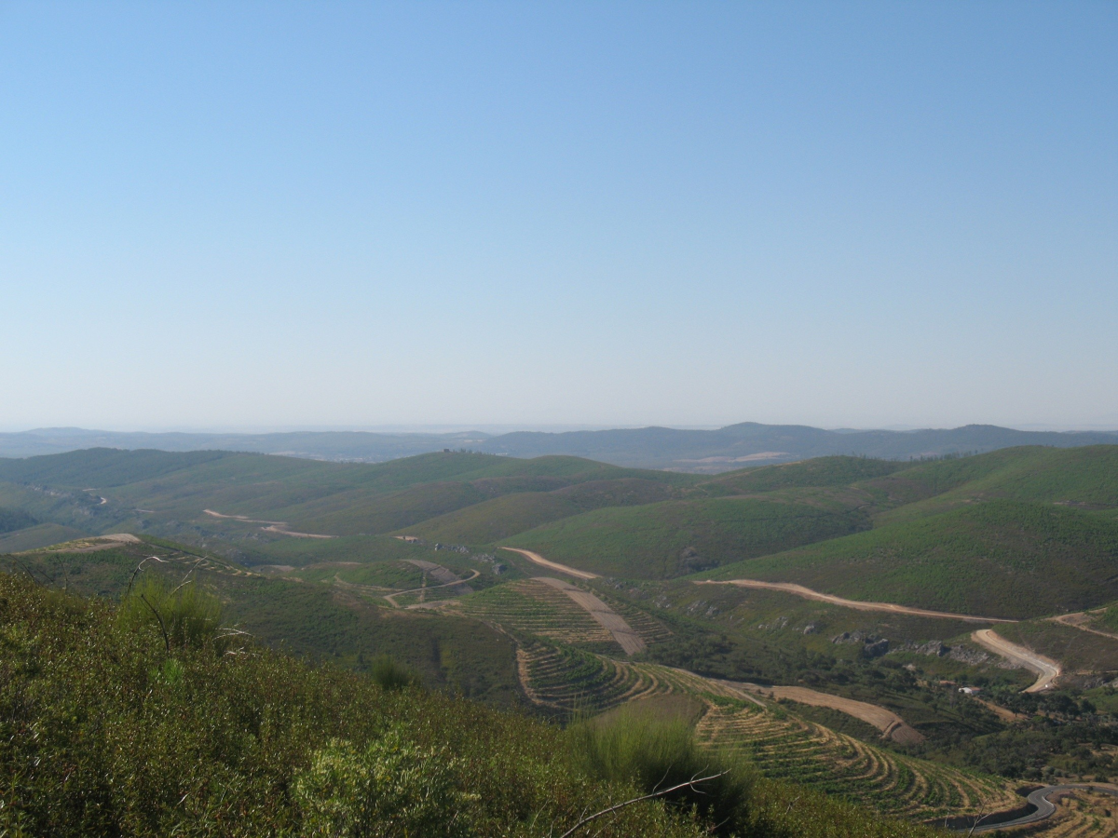
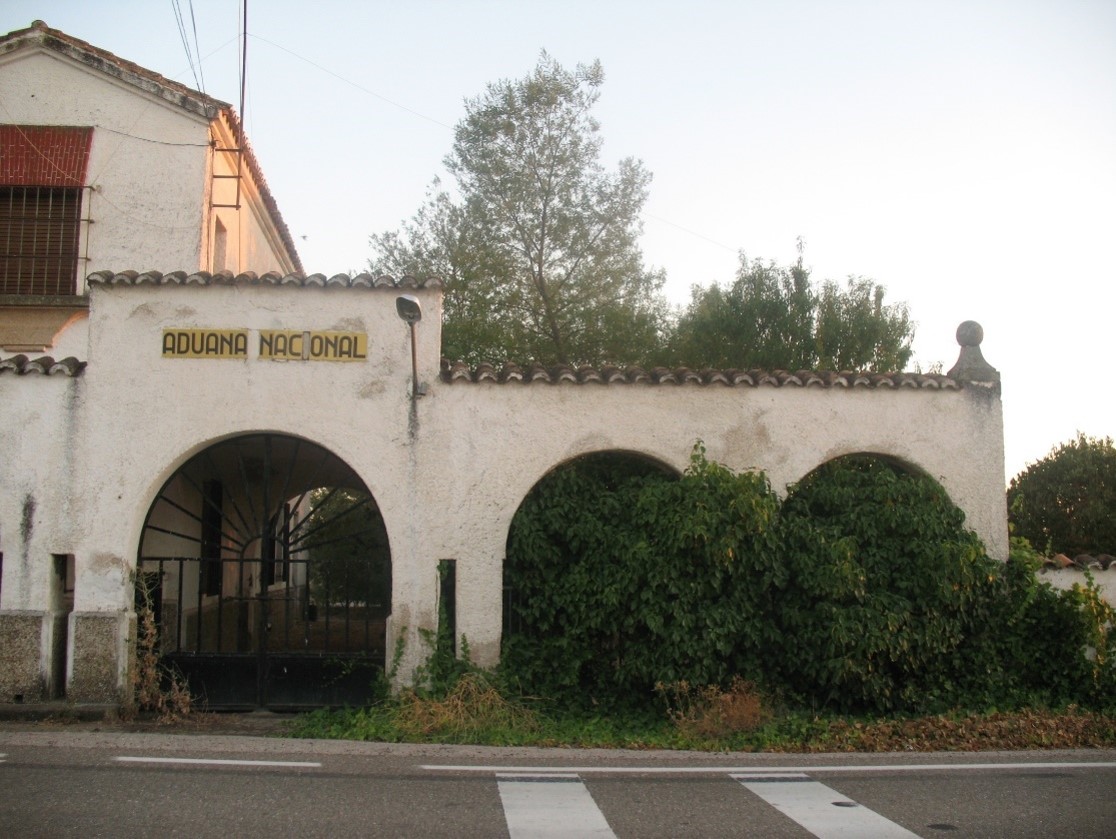
The Spain-Portugal border has, for several centuries, been a semi-depopulated territory, far from the centres of power, a vast solar space used by the respective peninsular powers as a security zone at the cost of the insecurity of its inhabitants; an undefined and dangerous land where there was a succession of skirmishes and constant looting. Along La Raya, together with the political and conflictive border of battles and fighting, an osmotic frontier developed, a frontier which was permeable, full of mutual encounters and opportunities. Over time, the new frontier became not just a political and territorial reference but also a potential source of income through the regulation, control and inspection of mercantile traffic. Control of the border, specially the customs and smuggling passes, was a much-desired cause of dispute among the several High Middle Age powers, until it fell to the hands of the monarchy.
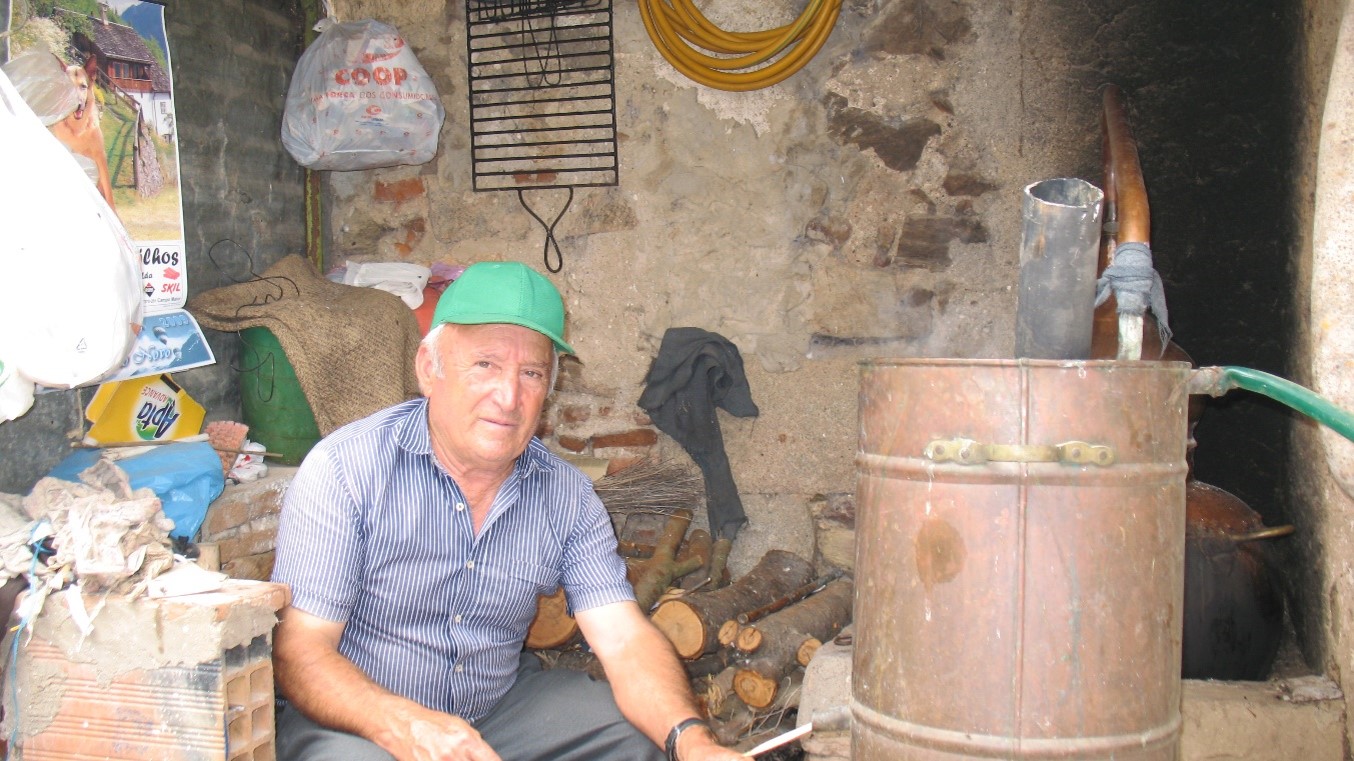
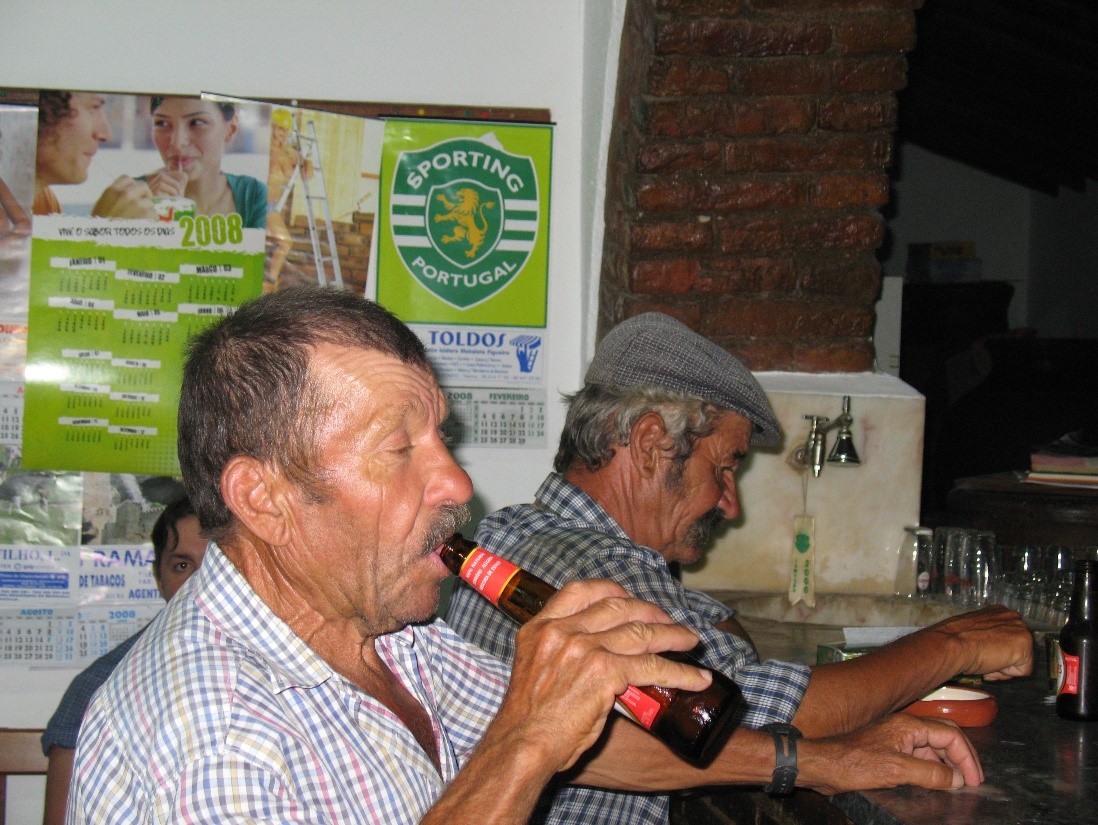
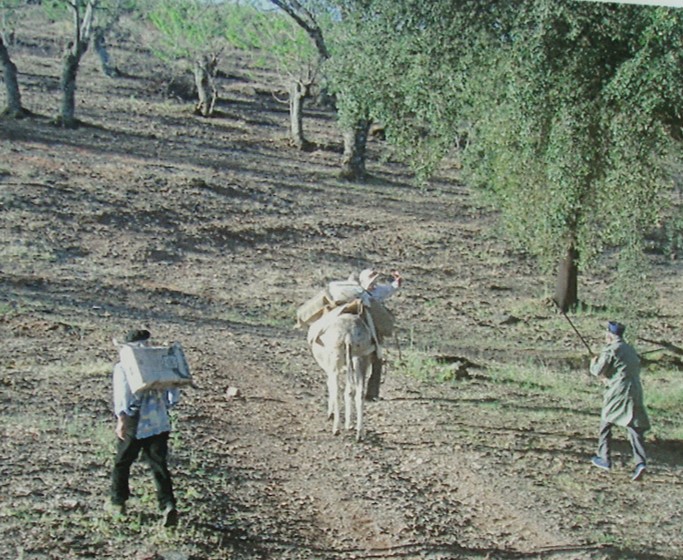
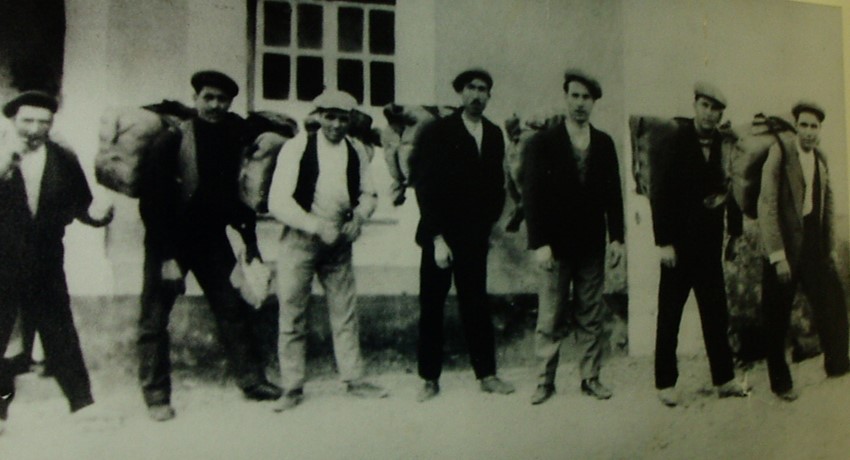
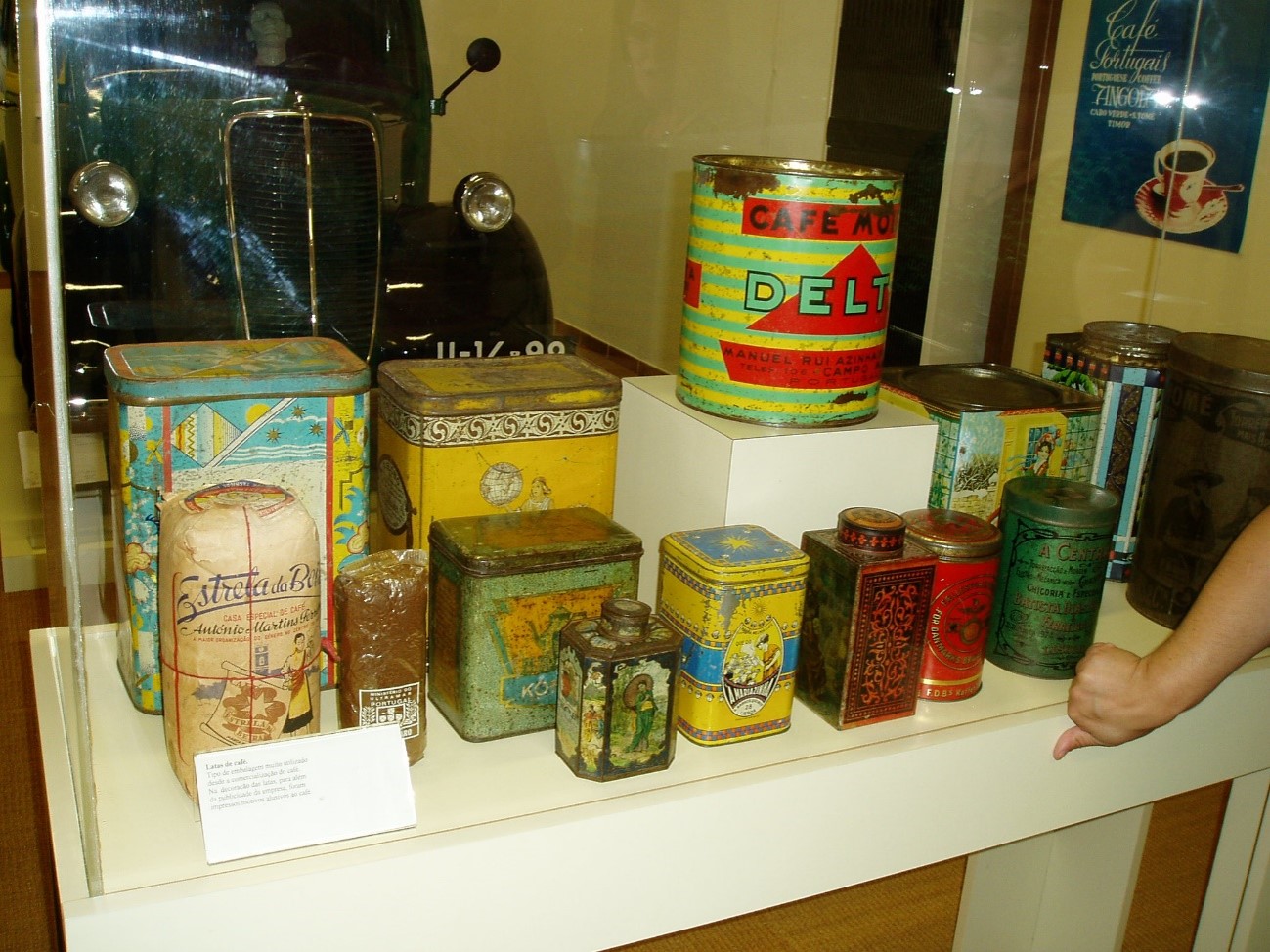
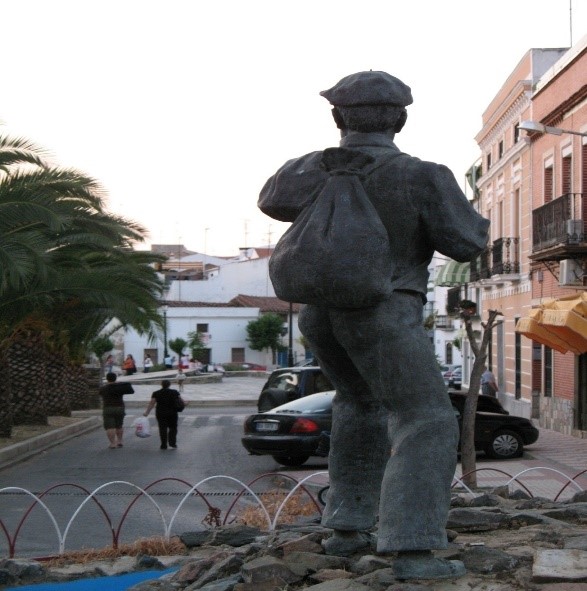
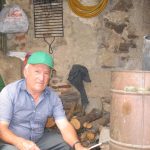
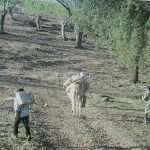
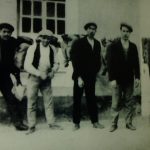
Restrictions and bans, war and peace, have generally all come from the distant centres of power of the nation states; but the latter have not been able to subdue the people of the frontier´s efforts to contact and commune with those on the other side of the border, nor have they managed to prevent them from intermarrying and speaking portuñol Spantuguese) in the bars. Thus, we find, in this context, a confrontation between the thinking of the State and the thinking of the border folk, given that borders do not merely or mainly exist in maps and treaties, but also at the level of the social and cultural life of the border communities. So, we can clearly identify the coexistence of a «political frontier» and a «community frontier», where the tension which arises from these two different mindsets —state/community— which are usually in confrontation, together with the systematic transgression of the border as a paradigm, create or can in certain circumstances give rise to a «border culture». In this context, the thinking of the State shows a desire to oversee and to legitimise paternally, whereas the thinking of the local communities is based on a strategy of ambivalence and ambiguity adapted to the needs and circumstances of everyday life. This game of interests, identities and belonging was and is typical of the so-called «border folk». This instrumentalising is reflected, quite clearly, in a particular type of cross-border activity: traditional smuggling.
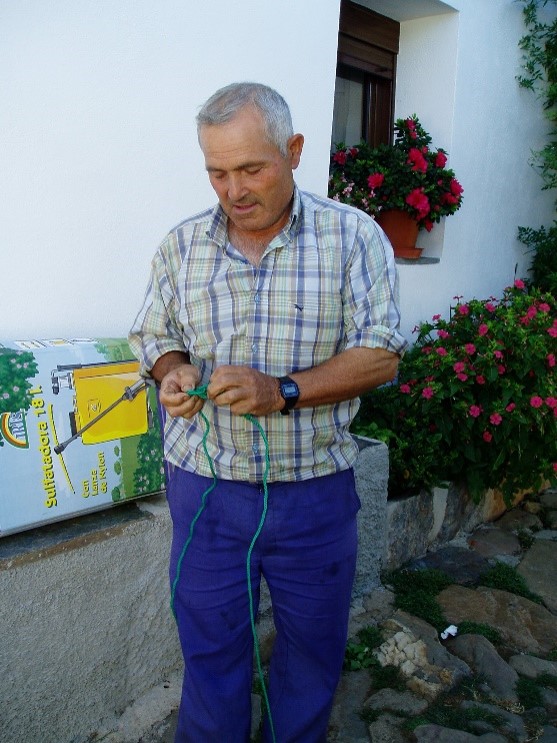
The inhabitants of La Raya are labelled by the rest of the population with a specific word for them: rayanos. The rayanos are called by this name more by outsiders than by the locals themselves. Although they are more conditioned by the existence of the national border than the rest of the population, they have not developed their own identity symbols and tend to readjust their identity to the respective local and national identities. Paradoxically, along the border, the sense of national identity appears to be reinforced through interaction with «the others», which indicates a basically ambiguous figure, as it is seen both as a problem and an opportunity. Nevertheless, in certain enclaves in the border area there is something akin to a moral environment which is shared by most of the inhabitants who constitute the «ser rayano» (border folk) and the supposed «border culture». This interactive perspective offers suggestive approaches to explore the hazy nature of the moral and cultural landscape along the Portuguese Spanish Raya.
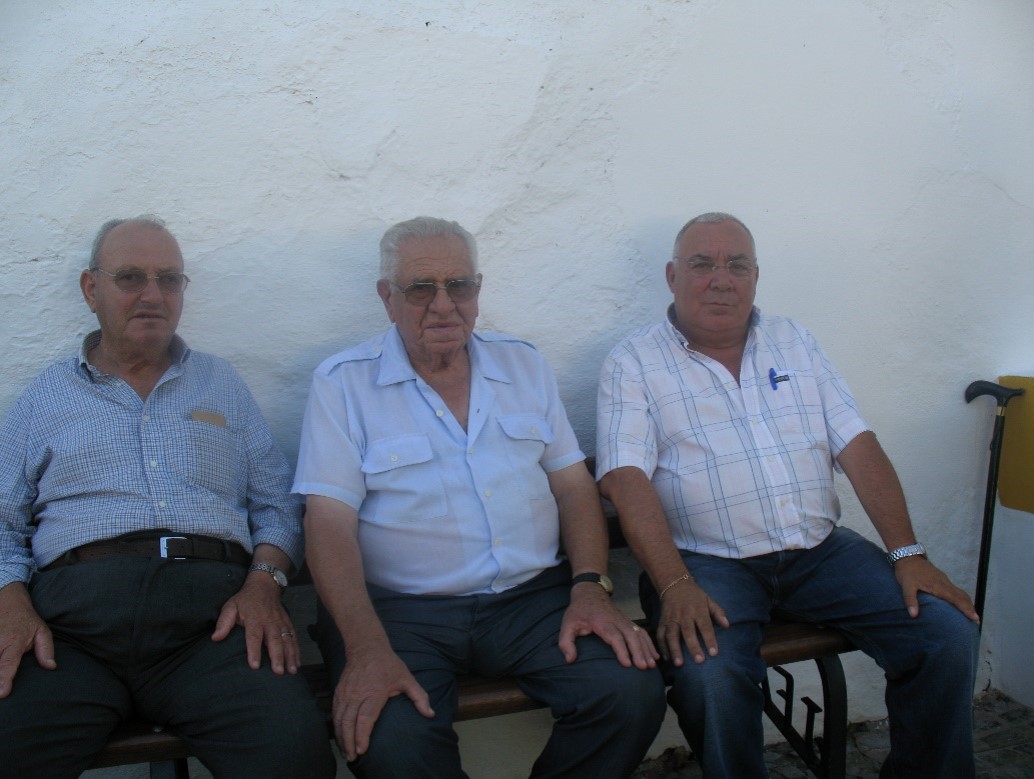
I would like to express my thanks to all those people who have so generously and disinterestedly given me their time and their stories over all these years: Juan, José, Jerónimo, Rosa, Antonio, Lorenza, Francisco… to all of them I now give back this reflection of their lives on the border.
Eusebio Medina García (Orellana la Vieja, Badajoz, 1960), doctor in Political Science and Sociology at the Universidad Complutense de Madrid, is a full professor at the Department of Business Management and Sociology at the Universidad de Extremadura. Among his lines of research, we should highlight his studies on international boundaries and cross-border relations. For over a decade he has worked as the head researcher for the Grupo de Estudios Sociales Aplicados (GESSA) at the Universidad de Extremadura. He has taken part in several projects linked to the subject of frontiers in the context of Iberoamerica (Portugal, México, Cuba, Ecuador and Argentina).
Further reading:
Medina E. 2025. Memorias de la Frontera: historias de la Sierra Fría. Editorial Cuatro Hojas.
Medina E. 2025. Historias de La Raya, II: Testimonios de José Morato, alias Florindo, smugglingista del Pino y de José Carvalho Belinho, smugglingista de Montinho. Revista de Estudios Extremeños, 81, 2: 398-412.
Medina E. 2019. Fronteras políticas y paisajes culturales en los límites del Estado nación. Revista de historiografía (RevHisto), 30: 73-95.
Medina E 2010. Historias de la frontera. “La pastora”. Arenal: Revista de historia de las mujeres, 17, 2: 423-432.
Medina E. 2006. Historias de la Raya: Antonia la Lirina y Joaquím José Ramalho, alias «el Lagarto». Revista de Estudios Extremeños, 62, 3: 971-1009.
Medina E 2006. Orígenes históricos y ambigüedad de la frontera hispano-lusa (La Raya). Revista de Estudios Extremeños 62, págs.: 713-723.
Medina E. 2003. Contrabando en La Raya de Portugal. Institución Cultural El Brocense.
Medina E. 1999. El contrabandoo de postguerra en la comarca de Olivenza. Revista de Estudios Extremeños, 55, 3: 1141-1168.