

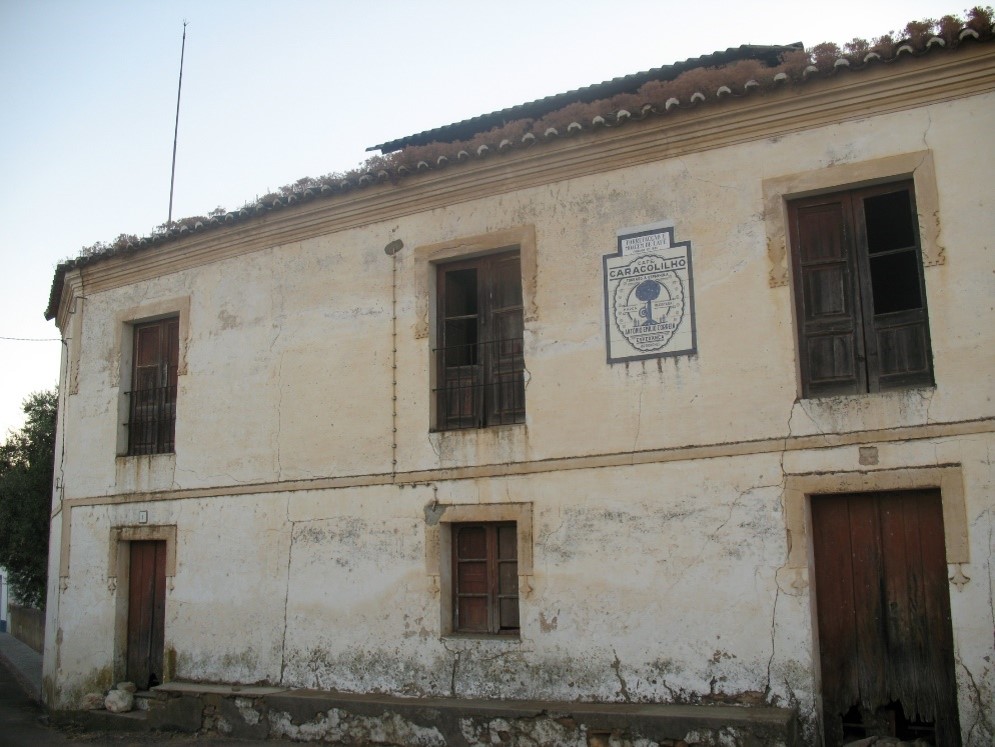
The end of traditional smuggling
The rise and commercial success of the coffee roasting companies of La Raya depended, for a long time, on the correct functioning of the illegal introduction circuits as the natural market was and is located mainly in Spain.
Mass emigration started in the mid-1950s, and this deeply affected the border regions of Spain and Portugal. Emigration itself became an object of smuggling —smuggling of people— and in a few years reduced the heavy demographic pressure in the borderlands. This led to a degree of relaxation of the control and repression of traditional smuggling, although the laws were still very strict. On the other hand, the borders of the smuggling world became vague as the number and variety of people involved increased (both professional and occasional smugglers).
Gradually, traditional smuggling lost importance and the gangs of professional smugglers gave way to wider, more informal groups with no clear criteria about interaction and belonging. The traditional smuggling of the gangs lost shape and was diluted in an amorphous amalgam of opportunists, while the extreme living conditions of the long post-war period in Spain eased and both countries embarked on a process of opening up and of structural changes which affected all of society and, by extension, traditional smuggling activities on the interior border.