

Evolution of traditional smuggling
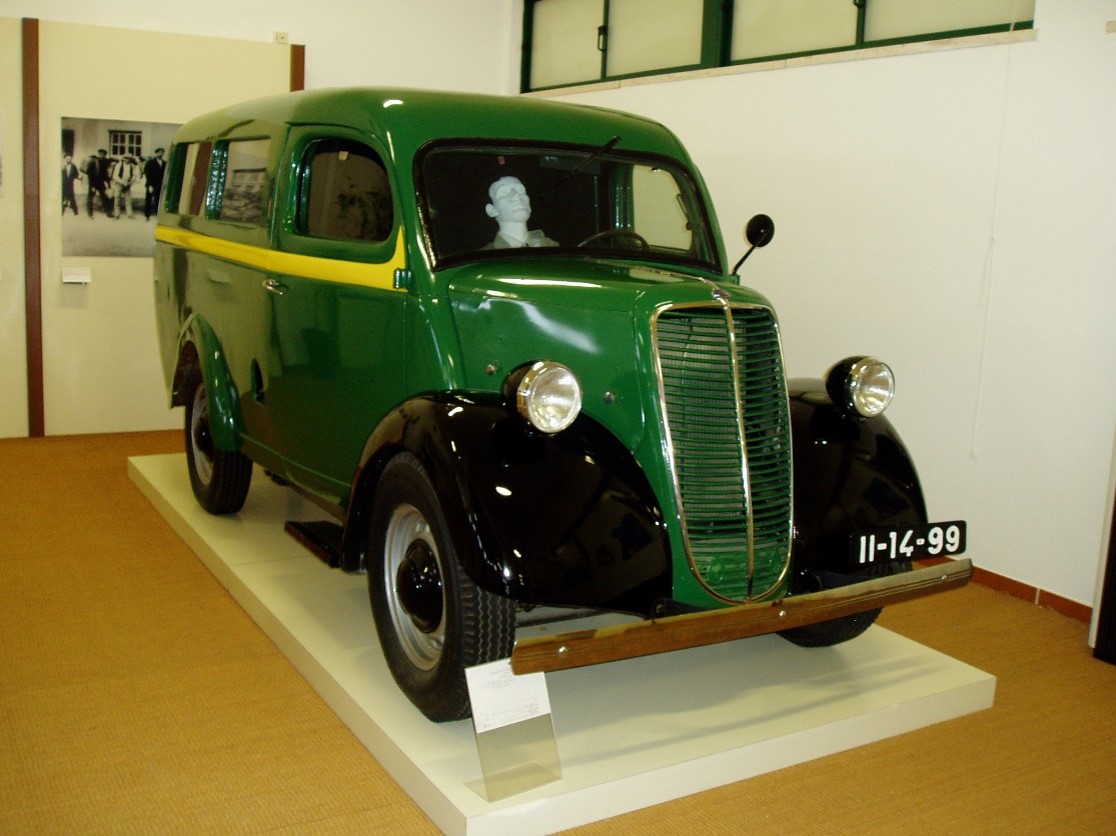
Changes in the political, social and economic context determined, to a great extent, the evolution, structure and content of traditional smuggling along La Raya. The new situation which arose after World War Two, delayed Spain´s entry into the new international context, boosting an increase in the flow of smuggling with Portugal. Later, Spain´s economic recovery, innovations in production processes, improved transport –like the van (carriña, in Portuguese) in the photo— and other circumstances modified traditional exchanges, the kind of merchandise, the circuits, the distribution systems, etc.
Together with the clear influence of external factors, among other causes which led to changes in the traditional model of smuggling in the central parts of La Raya, we should highlight the introduction of considerable technical improvements to the production and distribution processes of the coffee companies, mainly located in Campomaior, en Portugal. These innovations increased production considerably and forced an extension and acceleration in the traditional smuggling distribution and sales circuits, mainly using new means of transport together with the structures and traditional smuggling routes used to fraudulently introduce products into Spain on a greater scale.