

The paradigm of transgression (II)
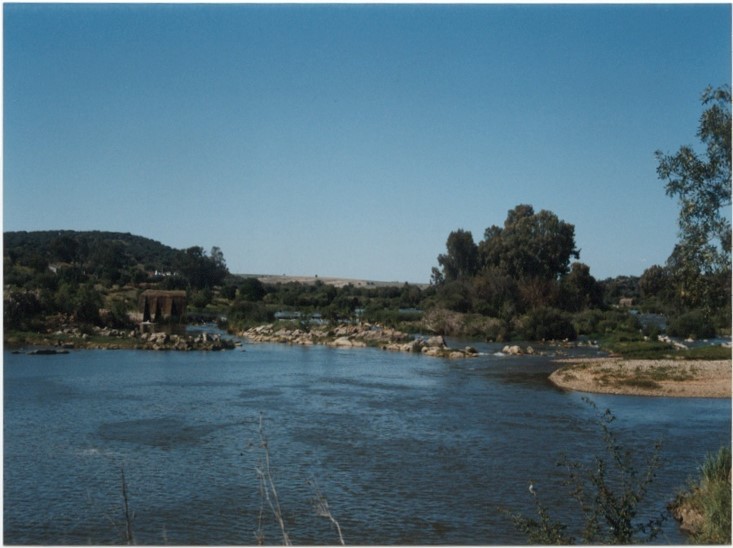
The river Guadiana has had great attraction for and influence on the people settled on its banks. The river was a meeting point, a gathering place, a source of life. Important daily activity took place around it, its varied species of fish provided food for the neighbouring settlements, the force of its current drove many mills, and on its banks grew oleander, sandalwood, sedge, osier in abundance. These were used as material for making huts, baskets, fences, chairs, ornaments…
Certain groups of people lived by the river and they had a close relationship with it, either because their daily activity depended on it completely (fishermen, millers) or because it was the toughest obstacle to overcome (smugglers) or because the river was the main reference point for surveillance (police, border guards).