

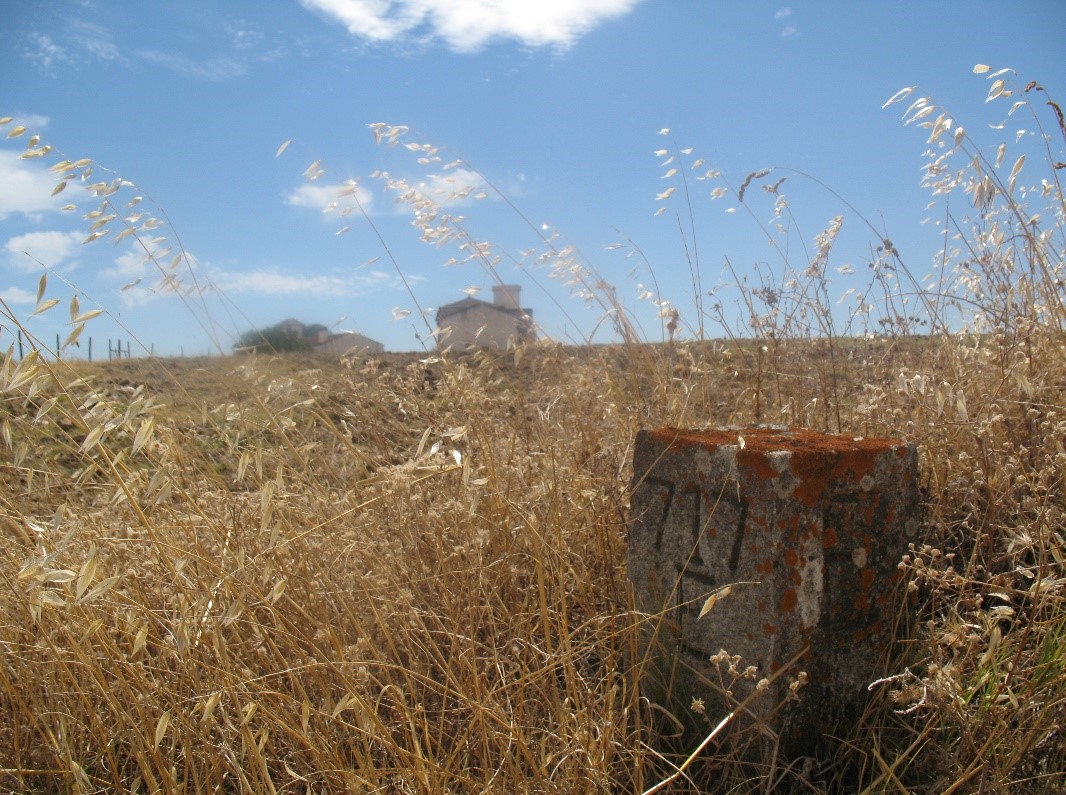
Border demarcation (II)
Fights and conflicts were over the border areas under dispute by the respective states. As historian Cordero Torres points out, in these demarcations «the interest of the states prevailed over the interests of the locals», who had, until then, benefitted from archaisms which created confusion and vagueness. The imprecise border limits was a constant source of conflict over the rights of use and property. The habit of reviewing the border limits yearly, carried out since ancient times by some of the border communities in a recreational and ritual way, is evidence of the existence of a historical border that was deep-rooted in the community.
Through this custom, the communal and ancestral border was periodically defined and updated, particularly where such a definition was most necessary due to imprecision and especially in the fights and conflicts where, historically, customary means of exploitation developed between communities on either side of La Raya. This fact makes clear that the communal border was an important and necessary element for the organisation of the communities in the borderlands, of a shared use and exploitation of the land, avoiding conflict, although this was not always the case.