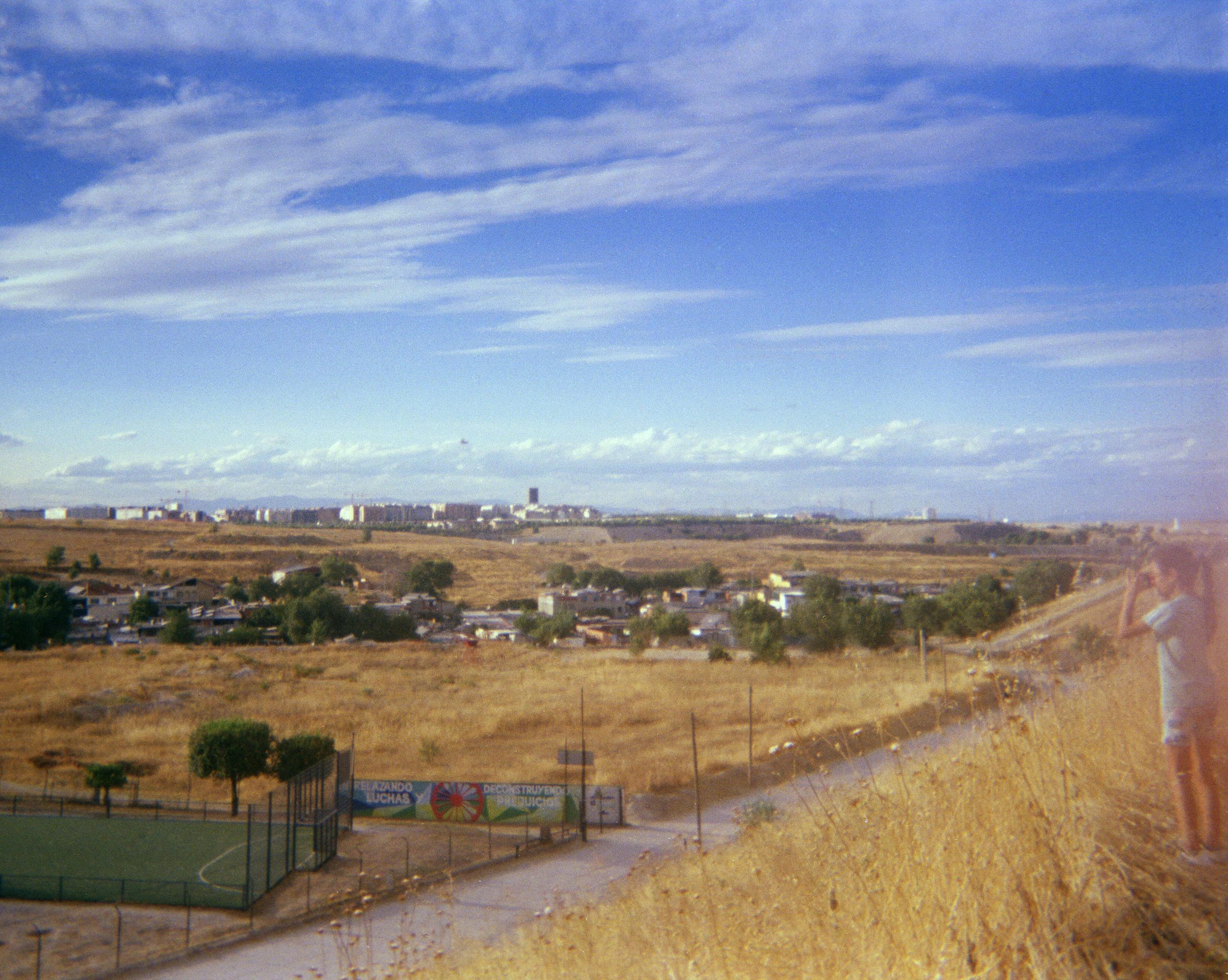
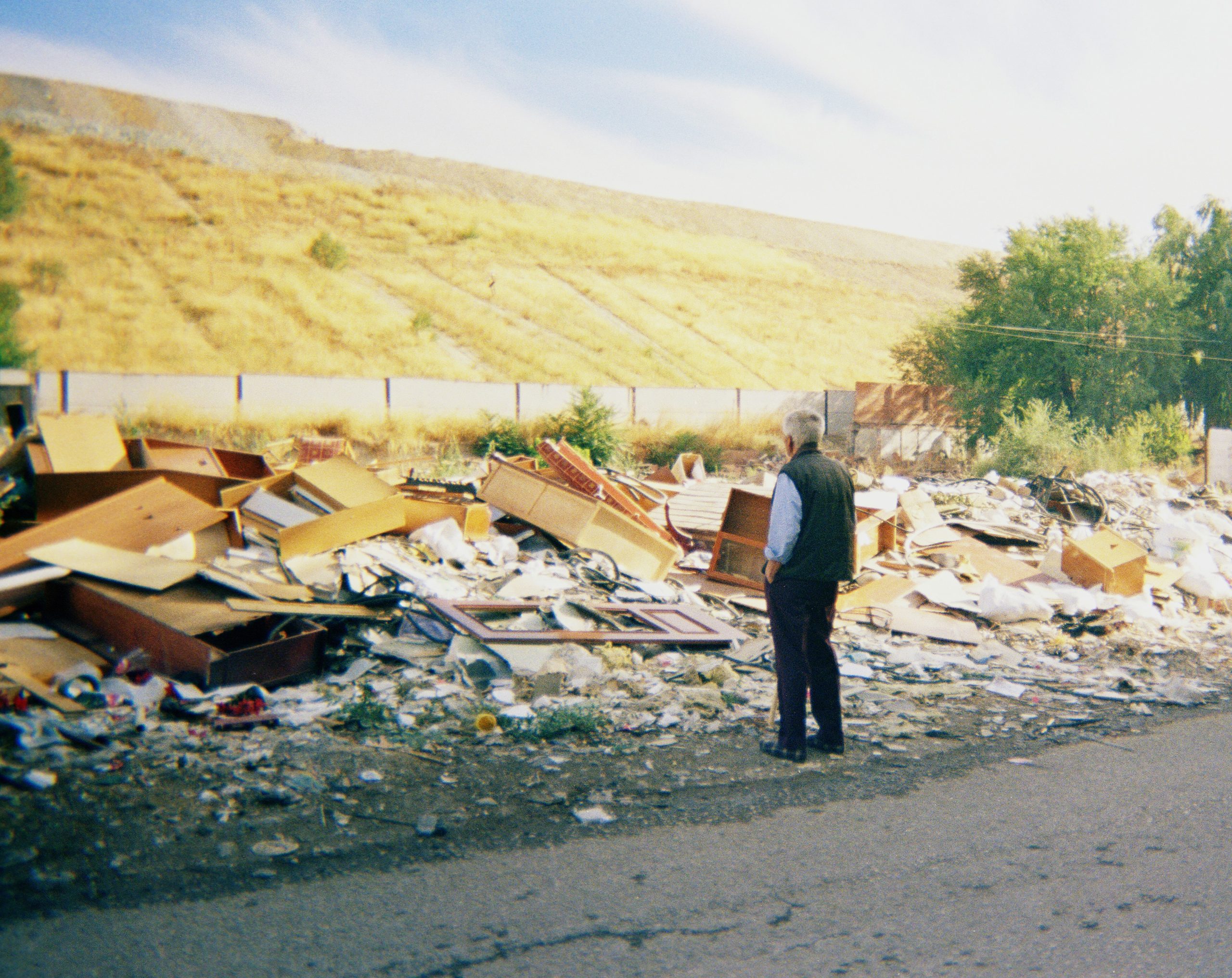
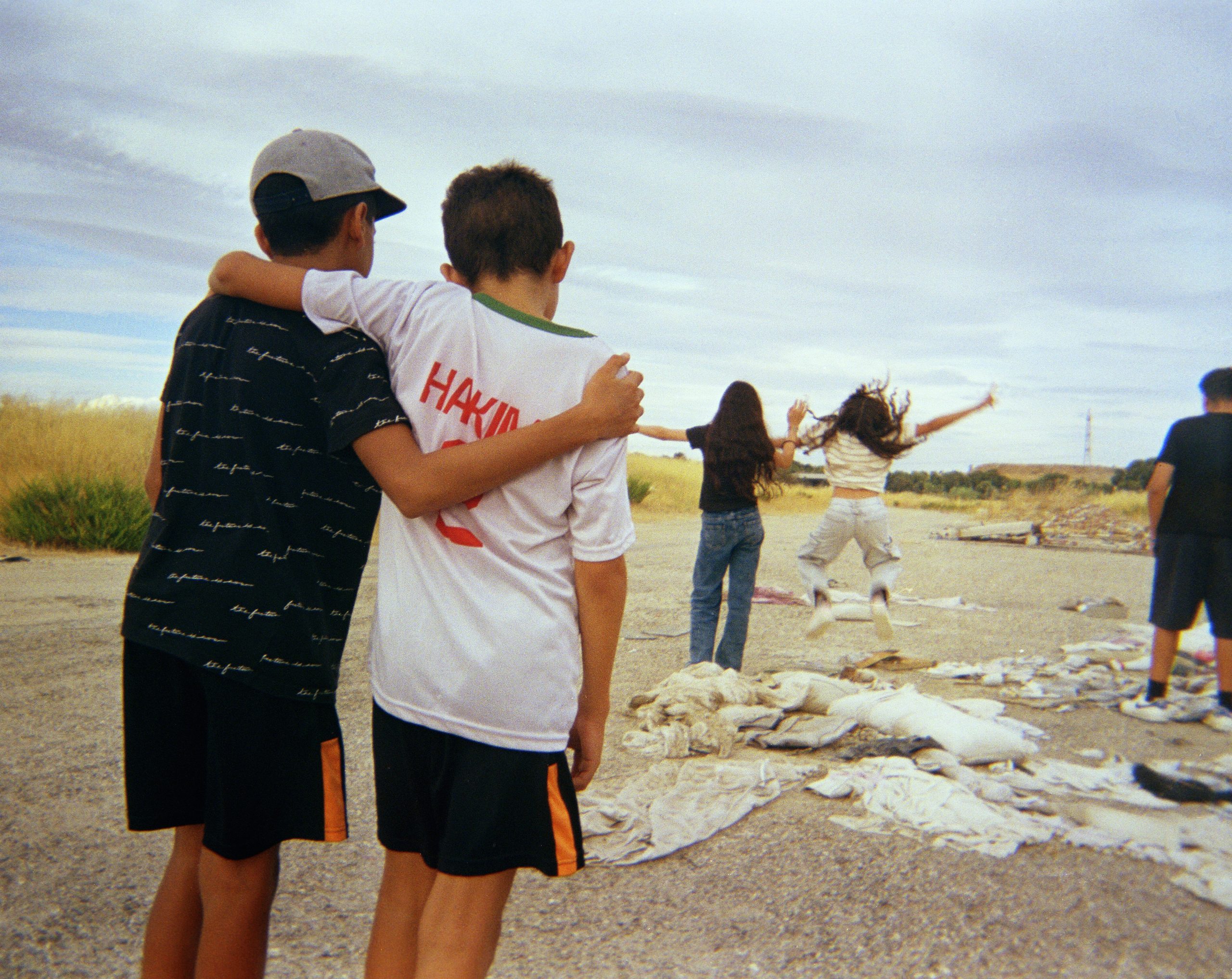
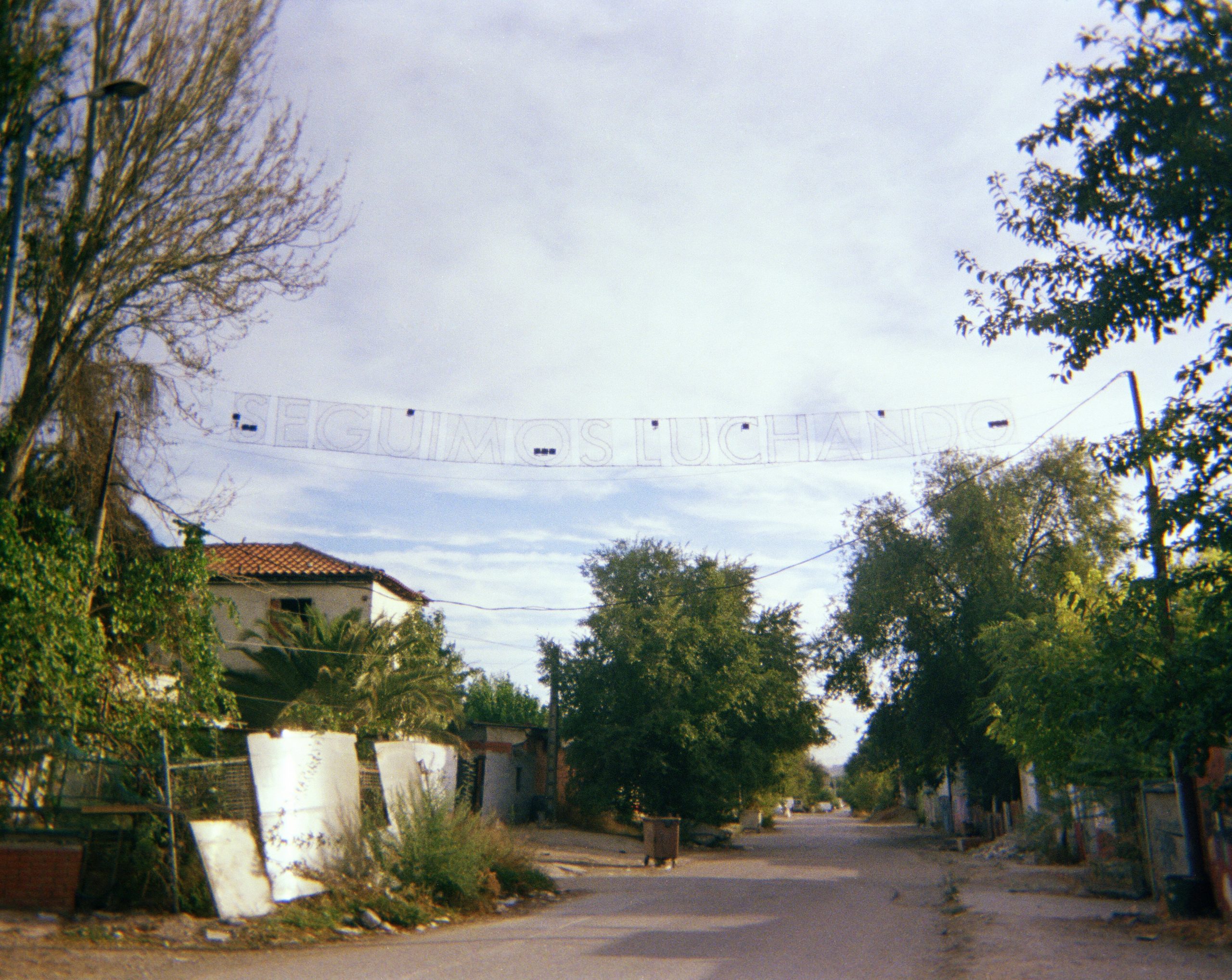
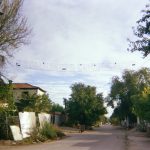
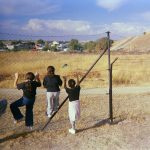
The light which is born inside. Views from the Cañada Real (Royal cattle track)
Within the framework of the project «Assistance and protection for victims of racial discrimination, hate crimes with racist prejudices and structural racism in informal settlements», developed by the Spanish Red Cross and financed by the Spanish Ministry of Equality, through the Secretary of State for Equality and for the Eradication of Violence against Women and the General Directorate for Equal Treatment and Non-Discrimination and against Racism, this virtual exhibition is presented as an awareness-raising and visibility action aimed at promoting equal treatment and non-discrimination, as well as favouring a critical look at prejudices, stereotypes and situations of racism that affect people living in informal settlements.
What images come to mind when we think about the Cañada? It is difficult for such images not to be preconceptions or stereotypes. As tío José Heredia Maya noted is his book Literatura y Antropología (2004), our view (the non-cañadiense track view) «is lazily based on the worst prejudices, topics and archetypes to feed an easy and glassy thought».
The Cañada Real Galiana, an ancient cattle track which crosses the southeast metropolitan area of Madrid, is now a plural, complex and deeply vital place. After losing its original purpose in the mid 20th century, it was settled by families from the rural exodus looking for a place to live. Decades later, further migrations also found in this area the chance to build a home on the outskirts of a city which was constantly expanding and offered no place for them. Added to this, there were social and urban dynamics which contributed to the concentration of some of the most evident problems of exclusion in the area. The result is a human mosaic made up of generations of people whose life trajectories were left out, for several reasons, of the conventional progress of the city.
The Cañada stretches over six sectors, from Coslada to Villa de Vallecas, each with its own characteristics and reality. As it moves south, the inequalities become more evident. To the north, in sectors 1 and 2 they are working on the future consolidation and integration into the region. The future of sectors 3, 4 and 5 is still up in the air, despite the passing years, and sector six faces a slow process of dismantling. It is here that some of situations of greatest vulnerability come together, but where solid support networks, cohabitation and entrenchment persist.
In this context, daily life keeps moving forward among urban transformations, re-housing processes and shared uncertainties. However, beyond the statistics and headlines, there is a reality of routines, affection, memories and homes which are rarely the focus of conversation.
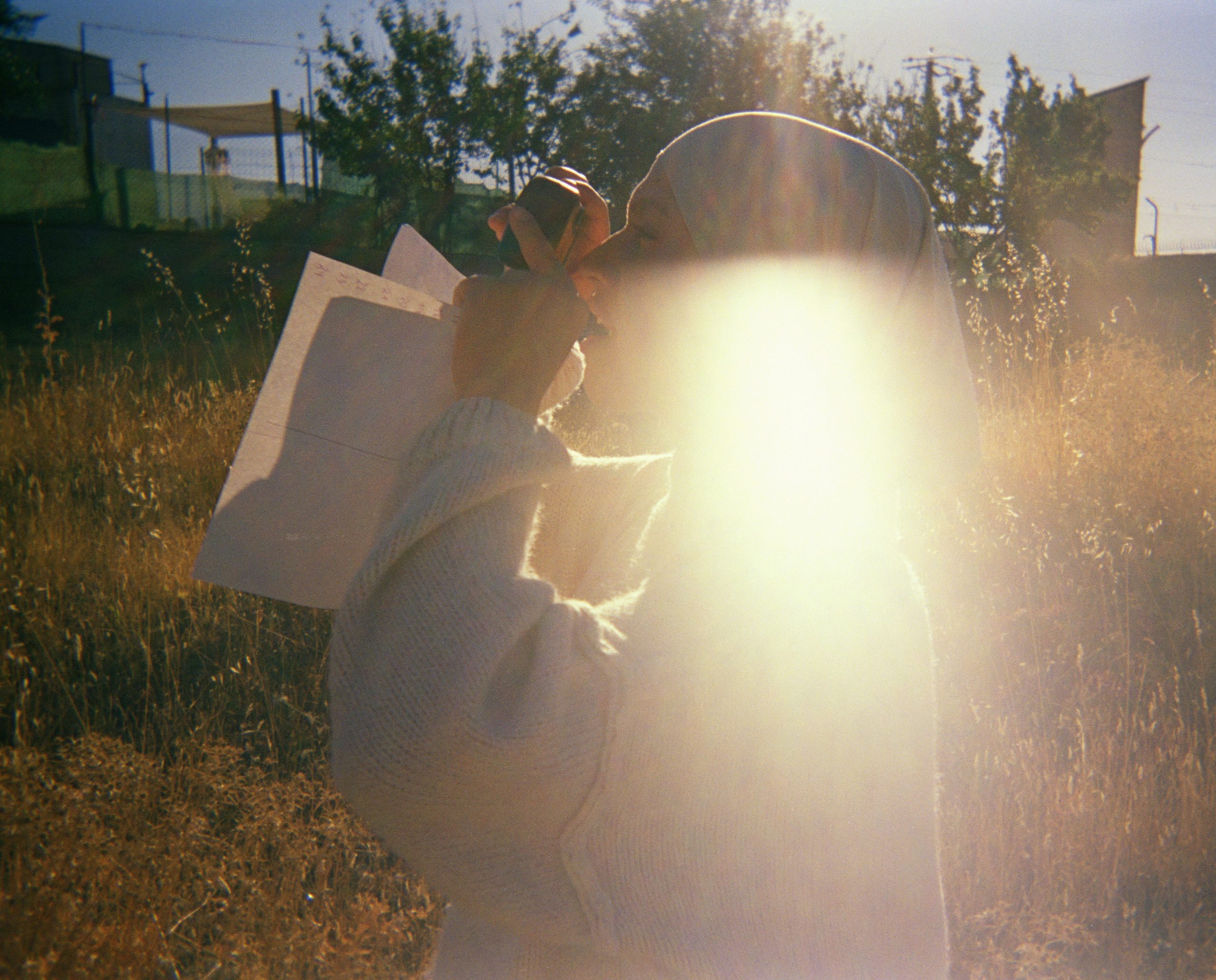
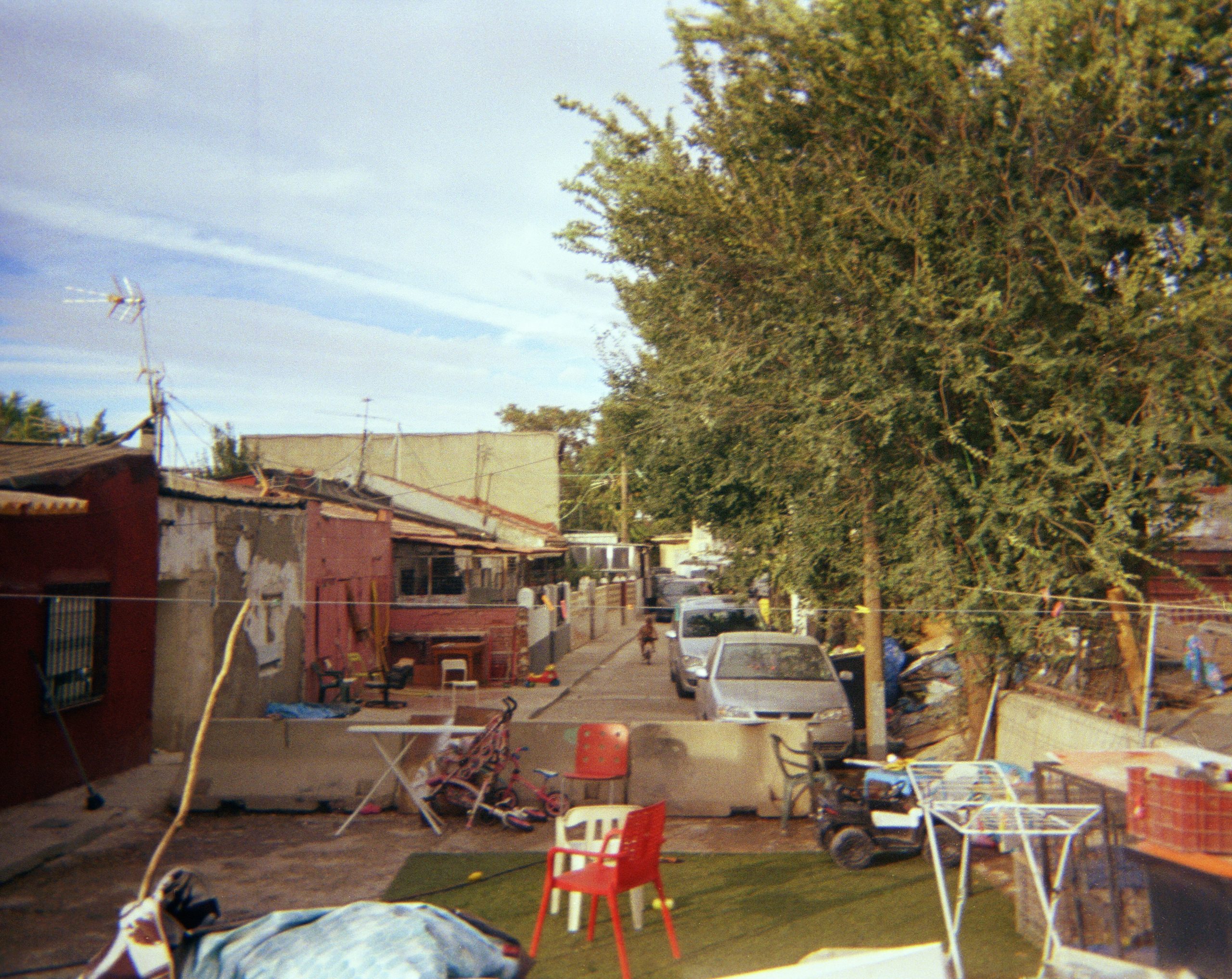
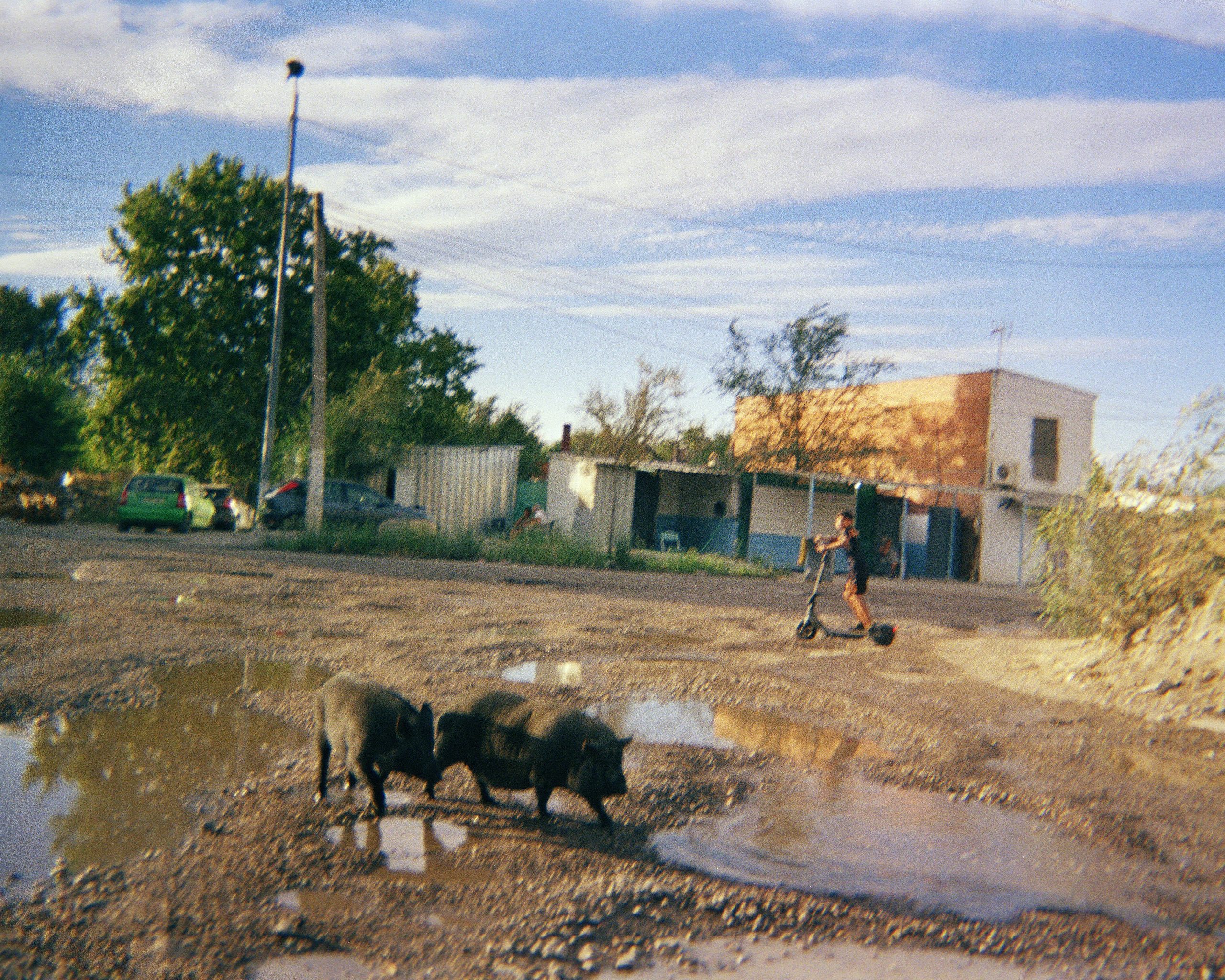
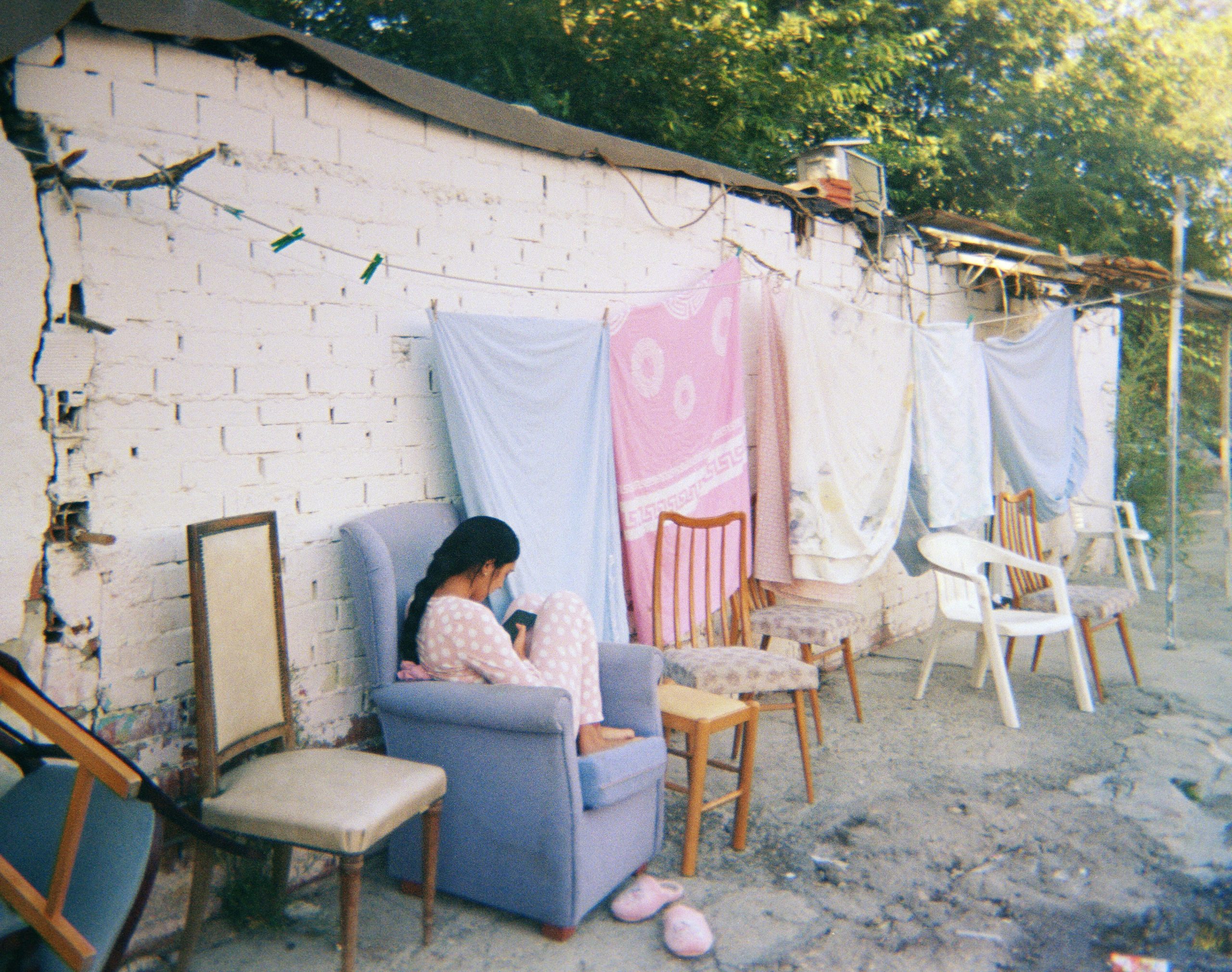
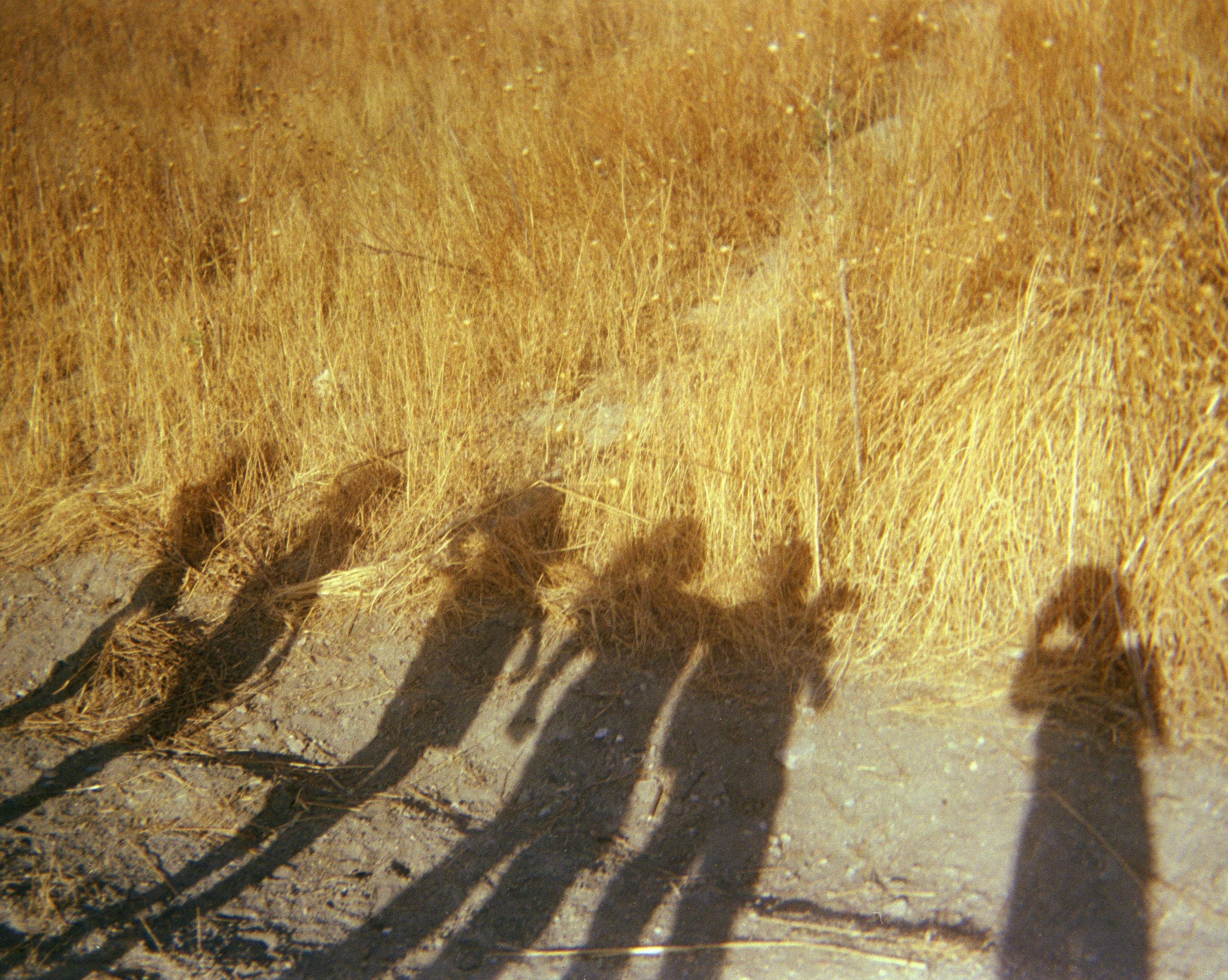
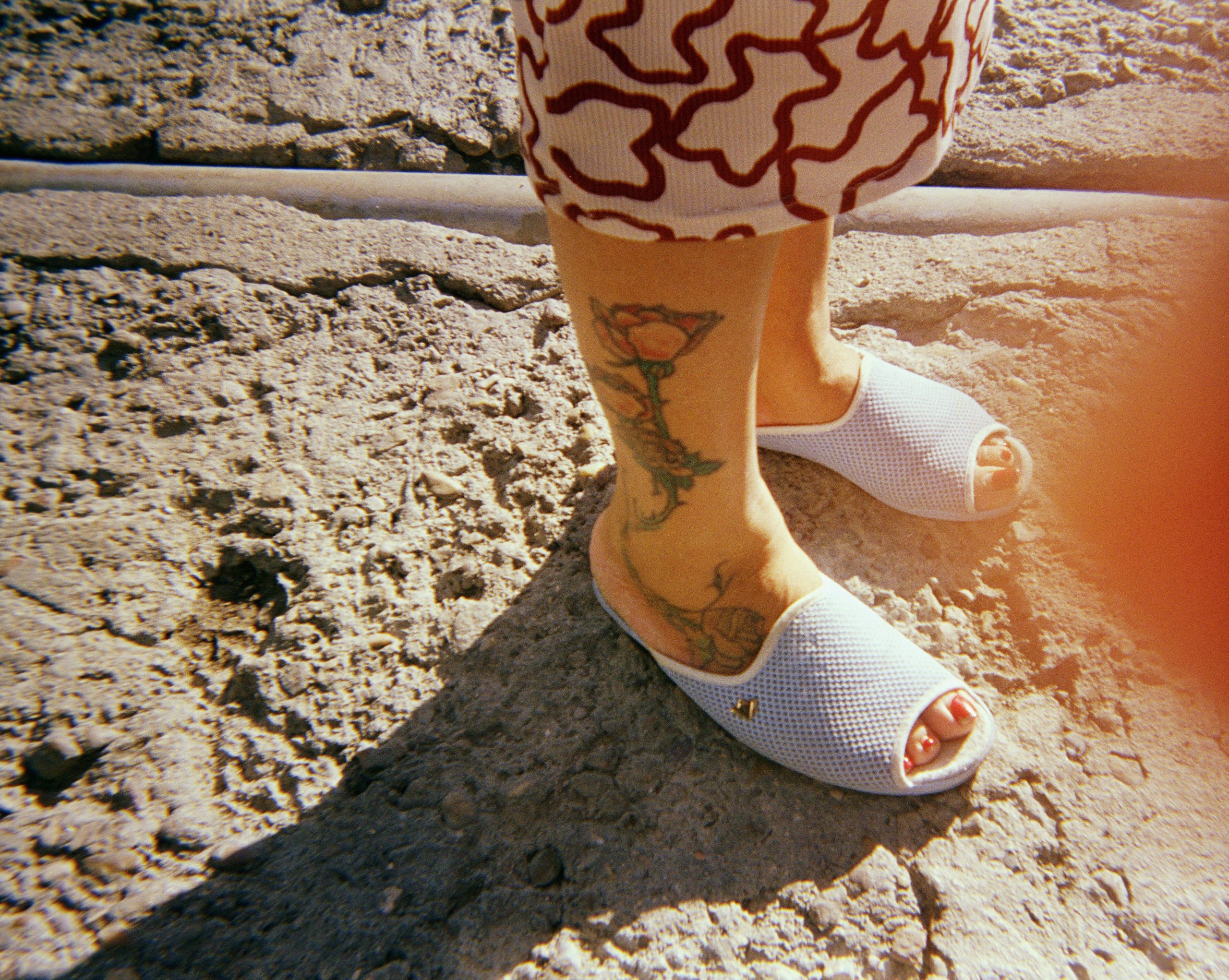
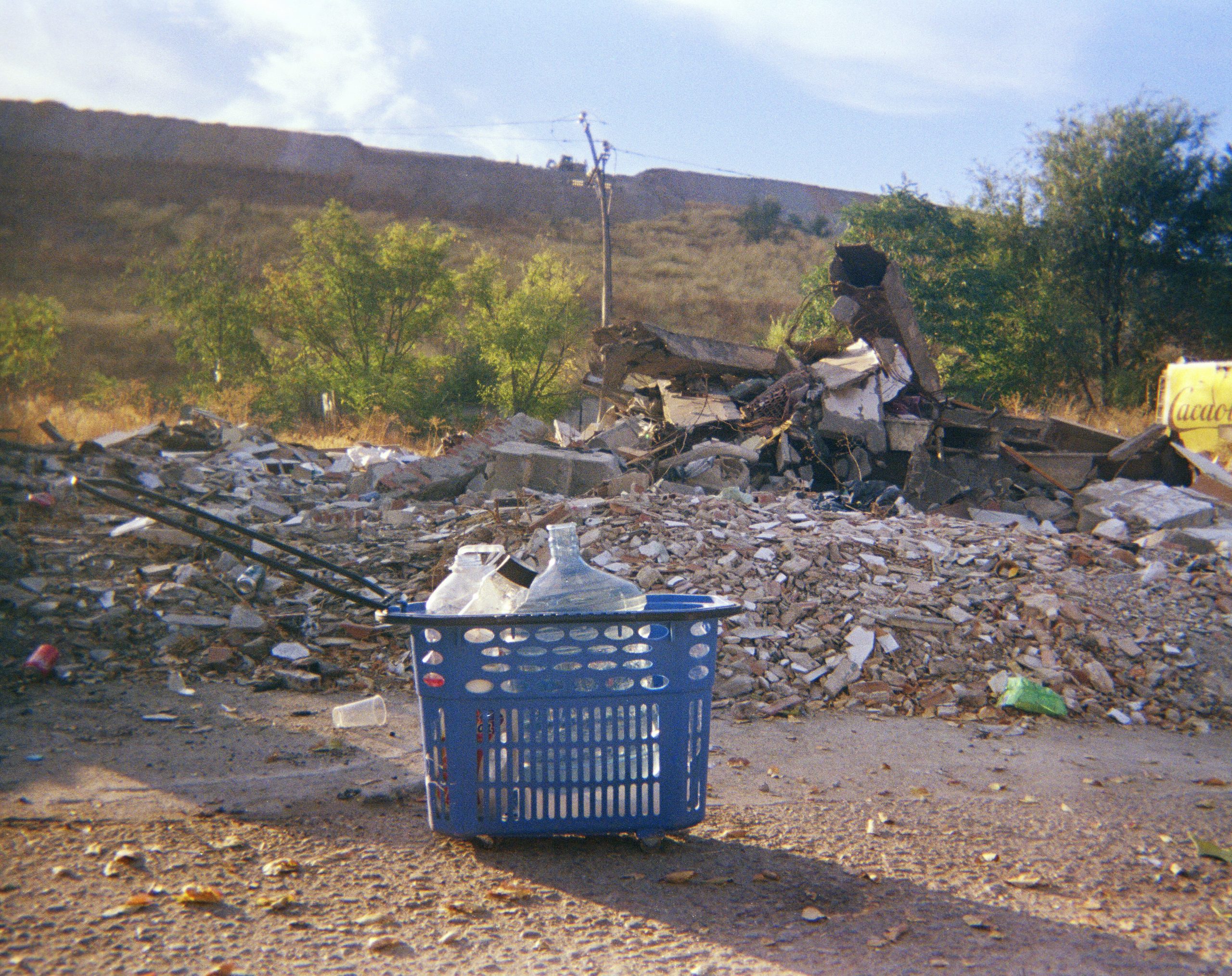
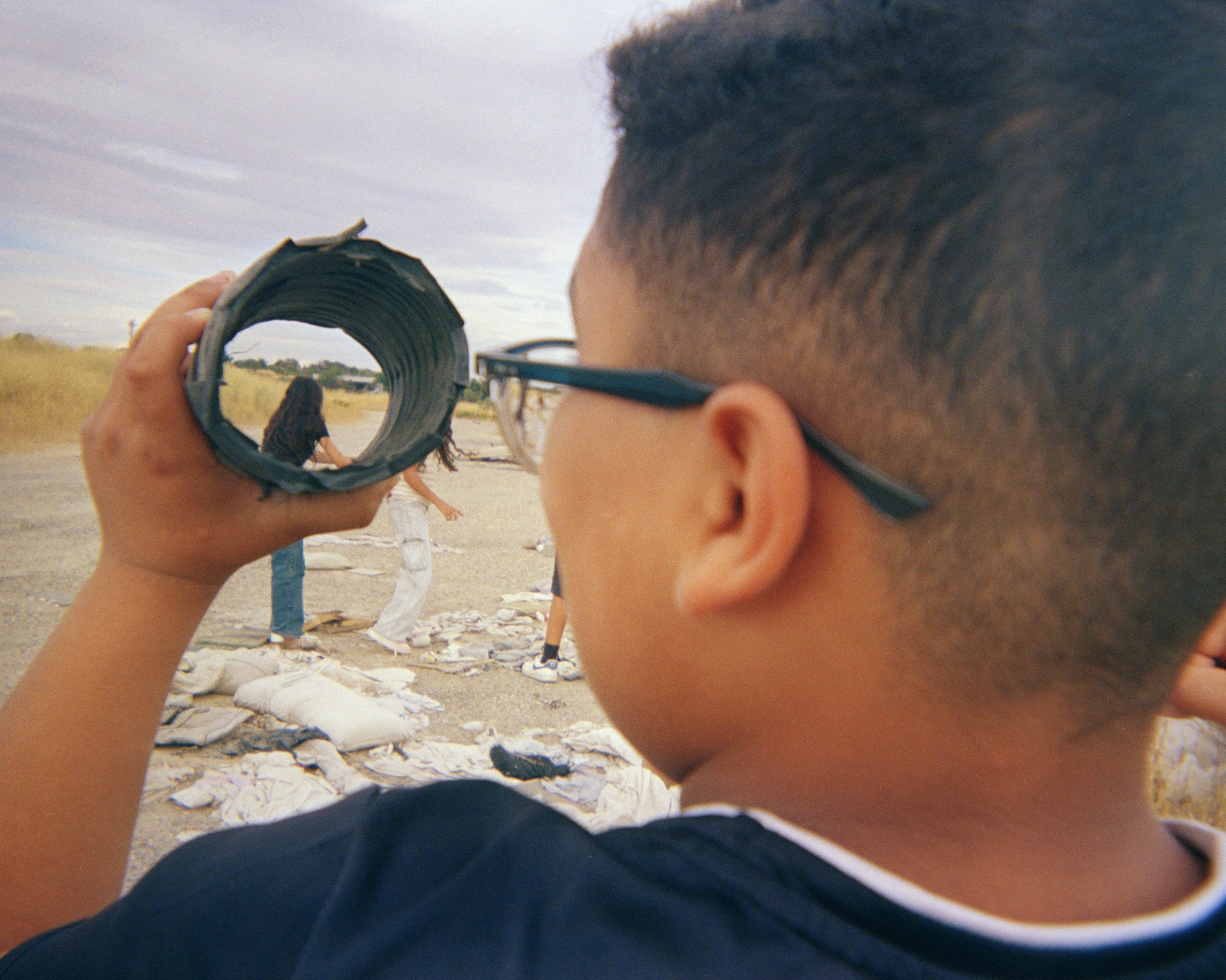
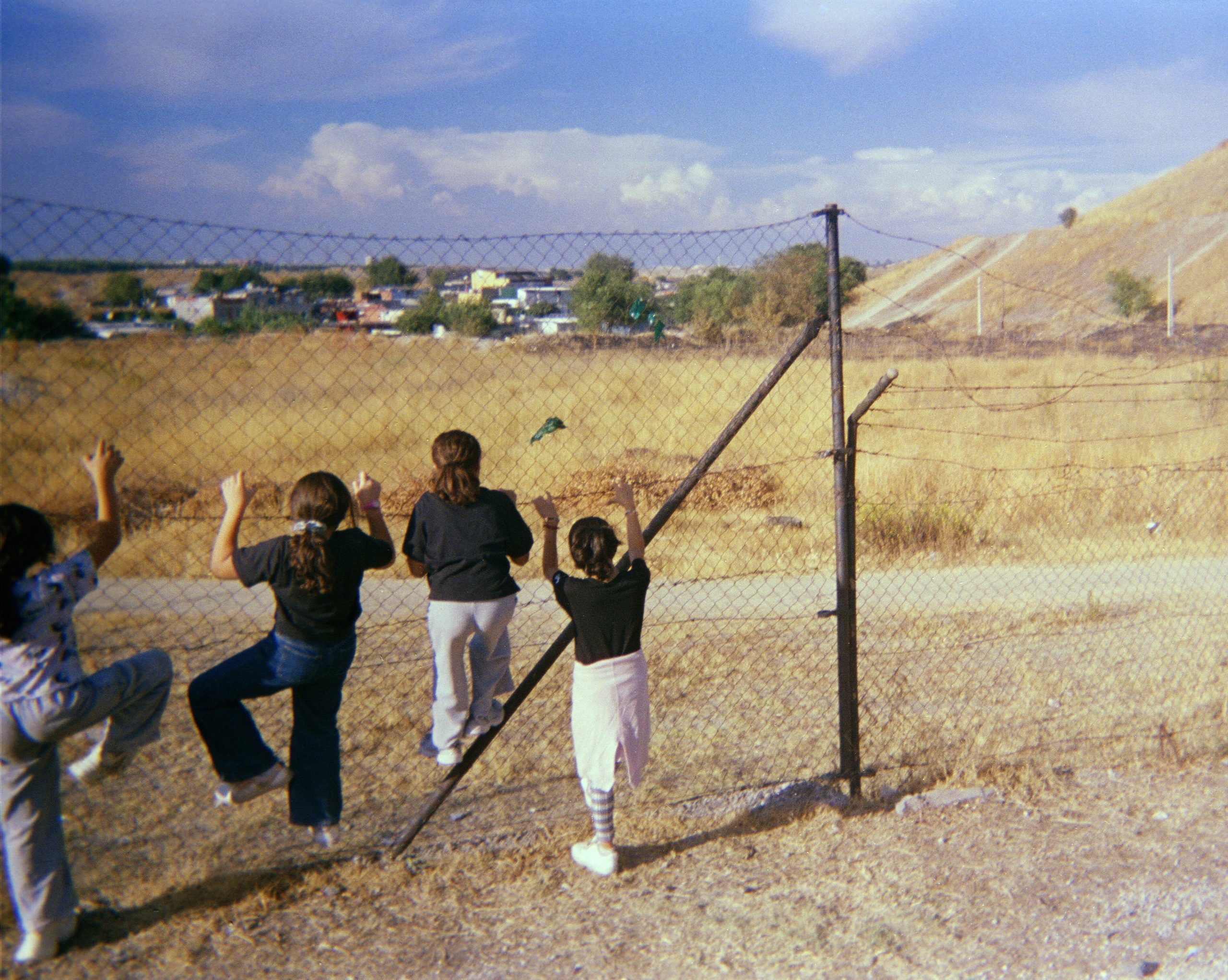
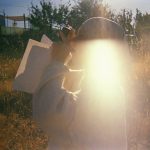
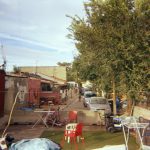
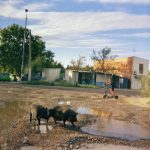
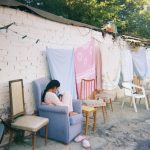
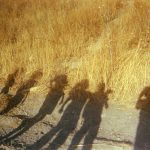
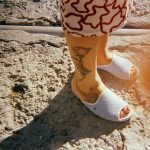
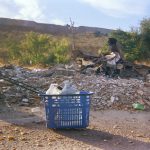
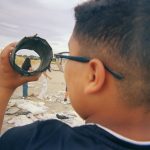
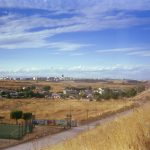
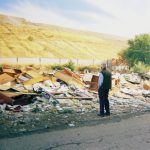
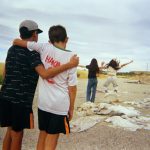
This exhibition invites us to discover precisely another perspective, a simpler and more costumbrist one. In September 2025, the technical team of the Spanish Red Cross working in Cañada Real for the assistance and protection of victims of racial discrimination, hate crimes with racist prejudices and structural racism in informal settlements, placed disposable cameras in the hands of mothers, girls and boys between 11 and 14 years of age in the territory. With them, they traveled familiar paths, everyday corners and significant places, letting their own eyes narrate the experience of inhabiting that environment, echoing their footprints. From the set of photos taken, those included in this exhibition were selected, the authorship of which is unknown.
The unique nature of this proposal also lies in who is holding the camera. Rather than observing the Cañada from outside, it is the residents who decide what is worth looking at and remembering. Each photo involves a choice, a path followed every day, a familiar corner, a landscape which changes with the light, a detail which would normally get passed over. Together, these images make up a choral narrative which brings us closer to a complex reality from the everyday experience of those who know it best.
Thus, photography becomes a tool for expression and memory. It does not aim to thoroughly document the area and explain its problems, rather, to capture fragments of life, instants which show belonging, deep-rootedness and the intimate relationship each individual establishes with their dwelling place. As opposed to external narratives, which often reduce the Cañada to a single story, these photos show experiences, sensibilities and ways of living in the area.
Rather than giving answers, the photos ask questions. They ask us to stop and observe calmly, to question our own preconceived ideas. What do we decide to look at? What do we leave out of shot? How does our perception change when reality is narrated first-hand by those who live there?
With no great discourse, no explanations. With no portraits which focus our attention on one story. With no accompanying texts, the photos speak for themselves: landscapes, details, meetings, colours and feelings. They speak of belonging, memories and the beauty which lies in everyday things. The light which is born inside. Views from the Cañada Real is an invitation to look again. To stop viewing the Cañada from a distance, to get close through those who live there. A chance to discover an area beyond stigma and to recognise the dignity, creativity and humanity which people each of these photos.
María Puig Batalla is in charge of the Racial Discrimination Project and the Structural Racism Project in the Cañada Real, Cañada Real Sector 6, Spanish Red Cross.