



Year 2026
The first Temporary exhibition of 2026 is titled Humanity in the city and nature—images from Sofia, Bulgaria, and it is an exceptional testimony an exceptional testimony of understanding and mutual aid in the face of adversity in a European city, Sofia. The exhibition was created by homeless people from the Kukuriak collective and offers a different perspective on the Bulgarian capital. A mosaic of images of parks, monuments, casual corners, people, animals, and trees serves as a pretext to describe experiences of housing precarity, national identity, corruption, exclusion, melancholy, and hope in the city they inhabit and whose inner workings they know well. For this project, the Exhibition coordinators provided cameras to people living in economically precarious conditions. This means sacrificing the technical quality of the photos, in favor of co-participation, teamwork, and artistic value. The photos and the accompanying texts aptly convey the feelings and reality of these people from the city of Sofia.
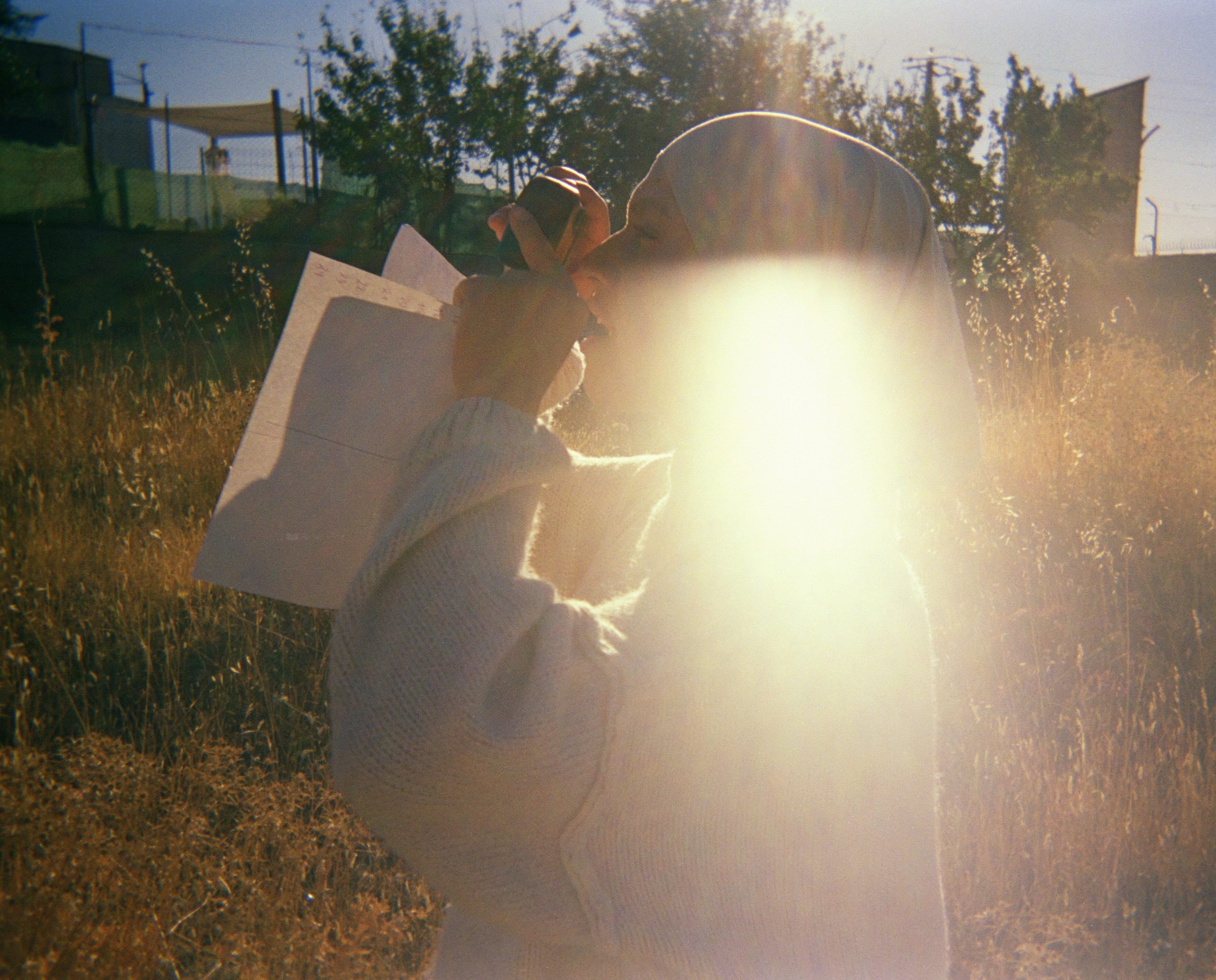
The second Temporary Exhibition of the year is entitled The light which is born inside. Views from the Cañada Real (Royal cattle track) and is published in September associated with the seminar Pobreza infantil: el impacto global sobre el crecimiento humano. El caso de la Cañada Real de Madrid, which will be held on October 1 at the Autonomous University of Madrid (Spain). In September 2025, the Spanish Red Cross technical team who work in the Cañada Real (Madrid) handed out disposable cameras to mothers and boys and girls (aged 11 to 14) in the area, who took part in the Underprivileged Zones Project and the Childhood Project, both of which were developed by the Red Cross in the Cañada Real. With the cameras, they covered well-known paths, everyday nooks and significant places, using their own eyes to narrate the experience of living in these surroundings, echoing their own footprints. From the multitude of photos they took, we have selected those included in this exhibition.
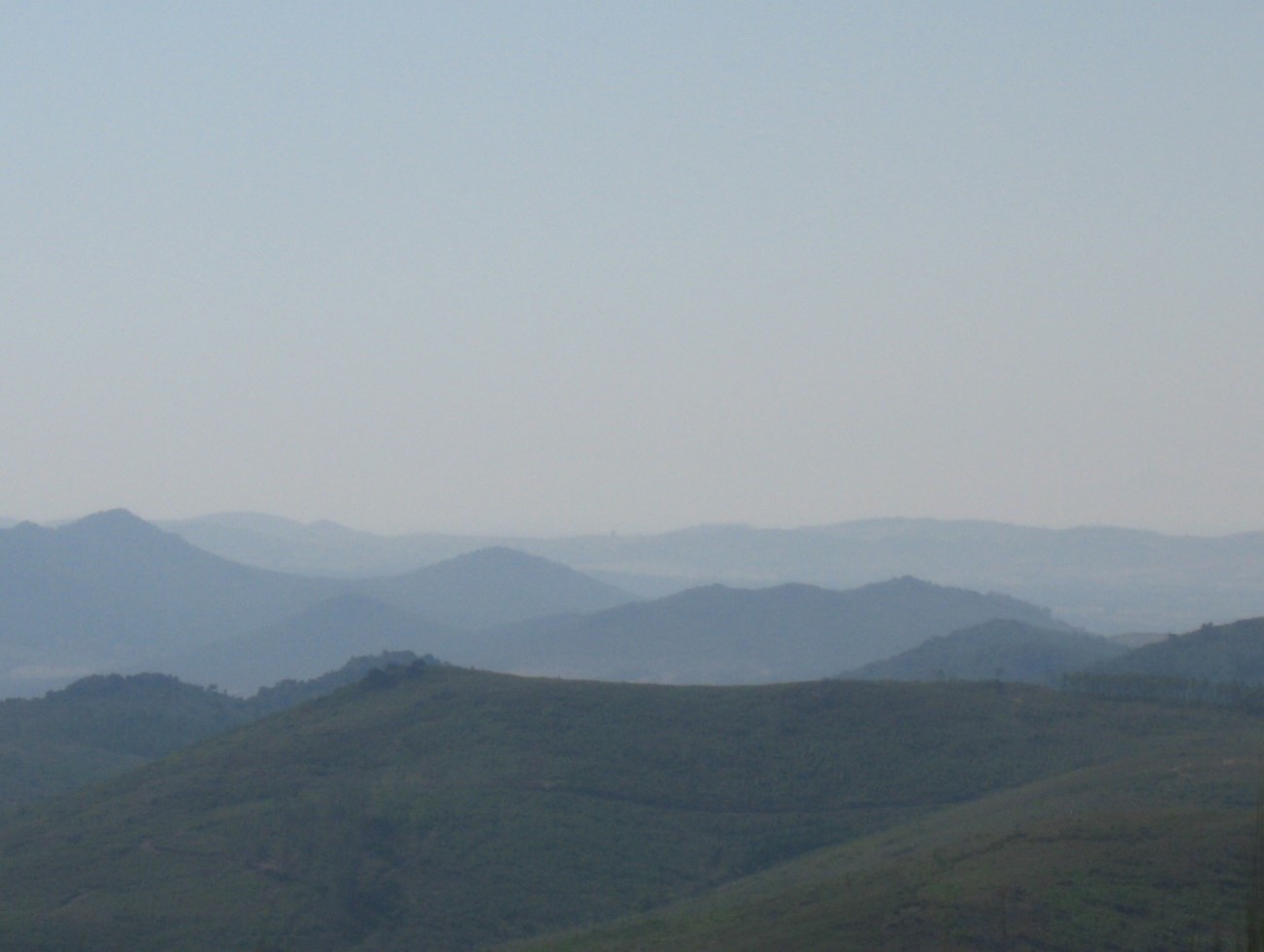
The Third Temporary Exhibition of 2026 is entitled Living on the border. Living from the border. The border between Portugal and Spain, commonly known as «La Raya» (The Line), is over seven centuries old and 1,234 km long, and is the oldest and longest border in the European Community. Its author is Eusebio Medina García, full professor at the Department of Business Management and Sociology at the Universidad de Extremadura (Spain). This new Exhibition deals with traditional life in the interior regions of the Portuguese Spanish border, where traditional smuggling activity represented an important source of income for battered domestic economies, especially after the Spanish Civil War (1936-1939) and the long post-war period, already under the Franco regime. Beyond that, it constitutes a contribution to the Social Memory of the Raya, as well as a reflection on the essentially ambiguous and adaptive nature of international borders.